Official Website of Manuel Pañares, The Cebuano Artist from the Philippines
Manuel Pañares
Emmanuel F. Pañares
Emmanuel Pañares
Manuel F. Pañares
Manuel Pañares
Manuel F. Panares
Manuel Panares
A Cebuano artist and self-described "artist-witness," he specializes in depicting the evolving profiles of Cebu City (Sugbo) in Central Visayas and vignettes of indigenous tribal women from Mindanao in southern Philippines, informed by extensive travels, research, and a passion for ethnology and history to ensure historical and cultural accuracy. Mentored by National Artist Victorio C. Edades, with whom he collaborated on major murals like "Kasaysayan ng Lahi" and "Davao Industries", the longest mural in Philippine art history at the Central Bank in Davao(now in the National Museum of the Philippines – Davao); Panares draws inspiration from Paul Gauguin's portrayals of indigenous peoples and primarily works in pastel and acrylic mediums.
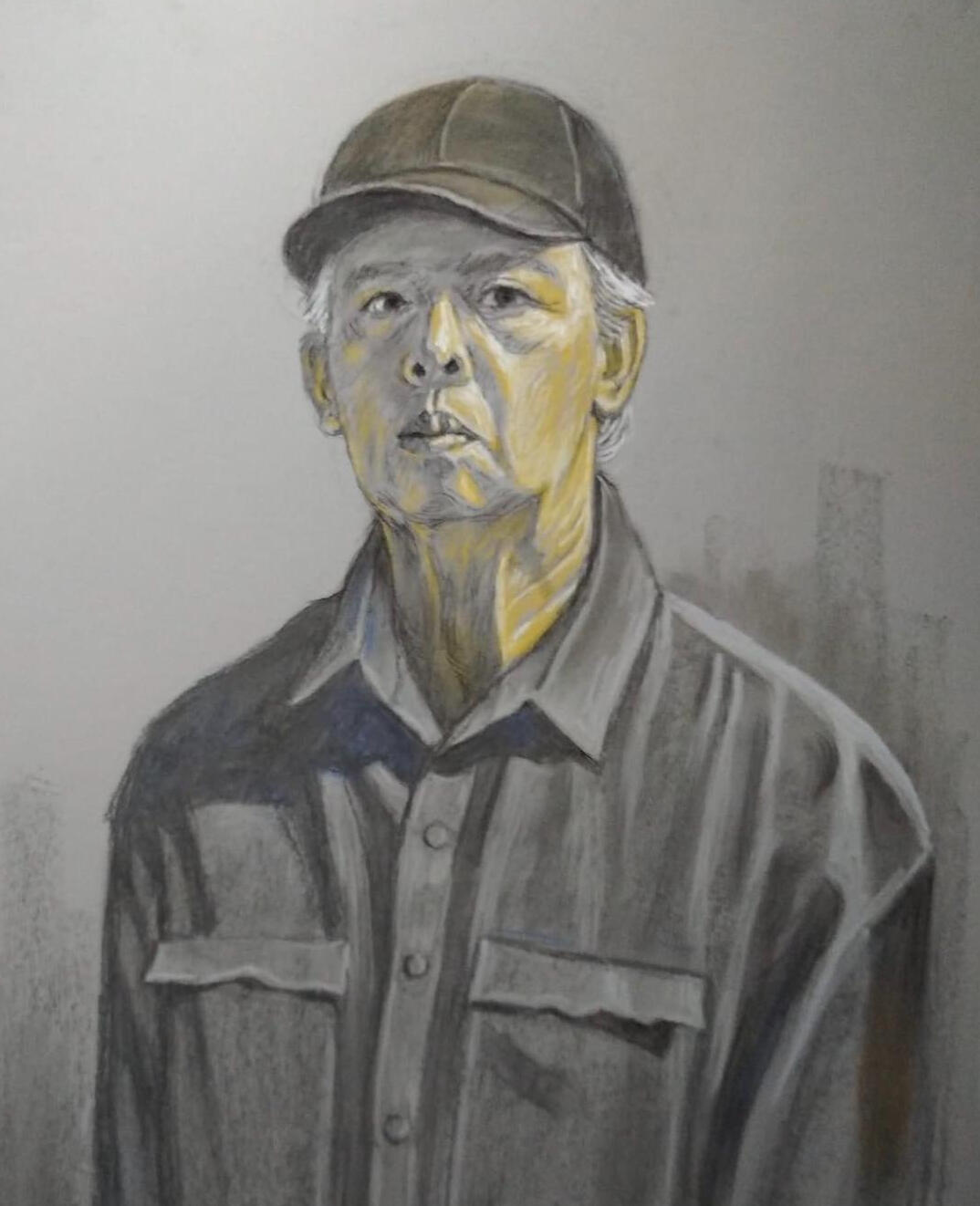
About Manuel Panares
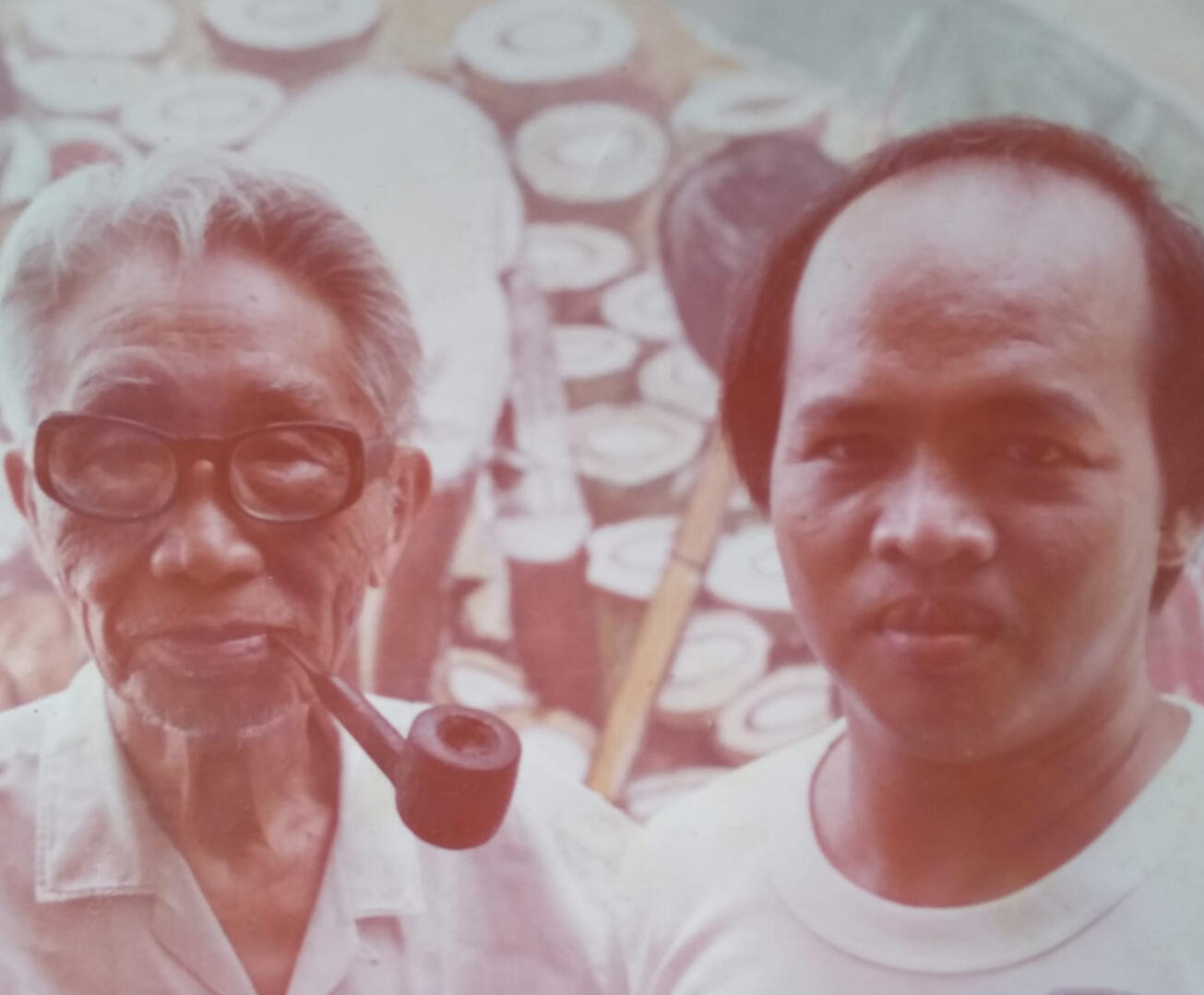
With Victorio Edades
Self Portrait
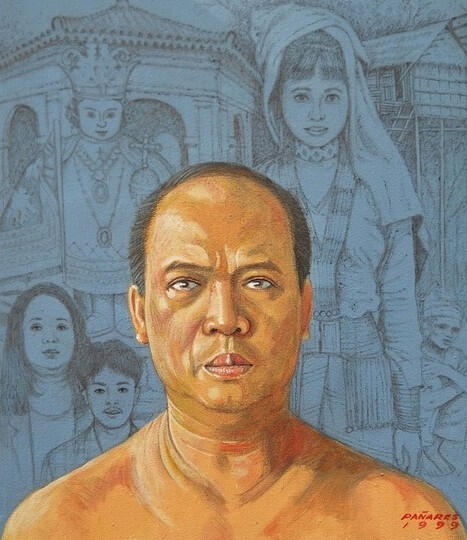
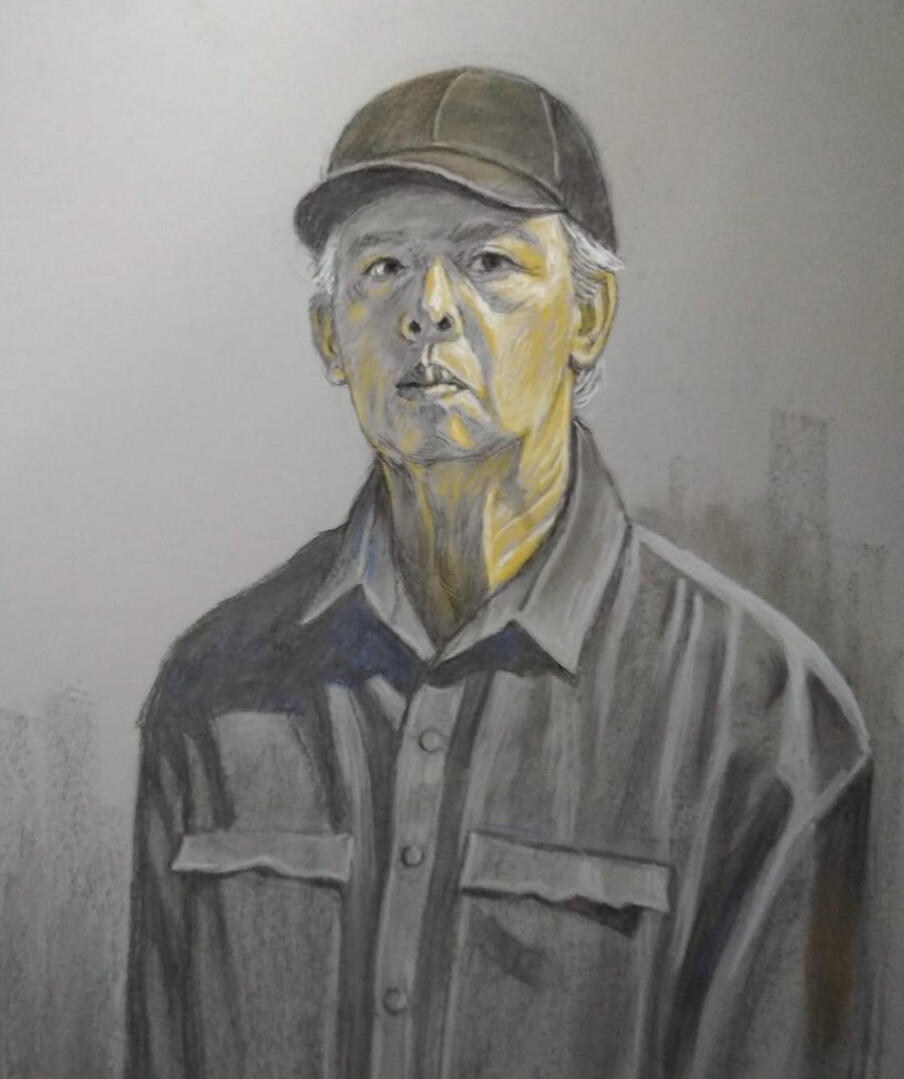
Self Portrait
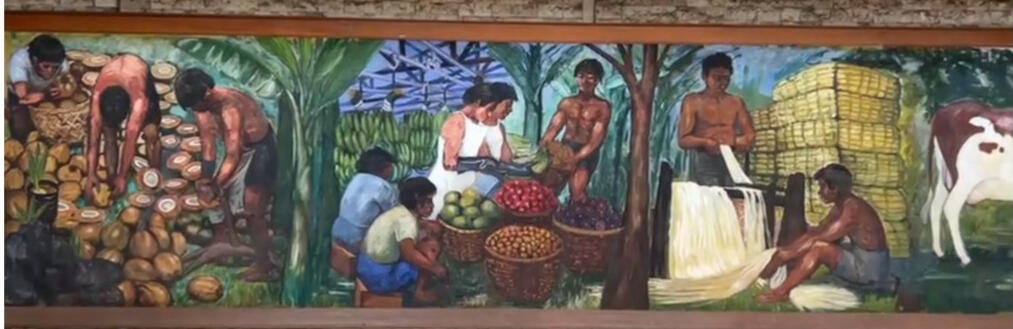
Edades Mural at BSP Davao
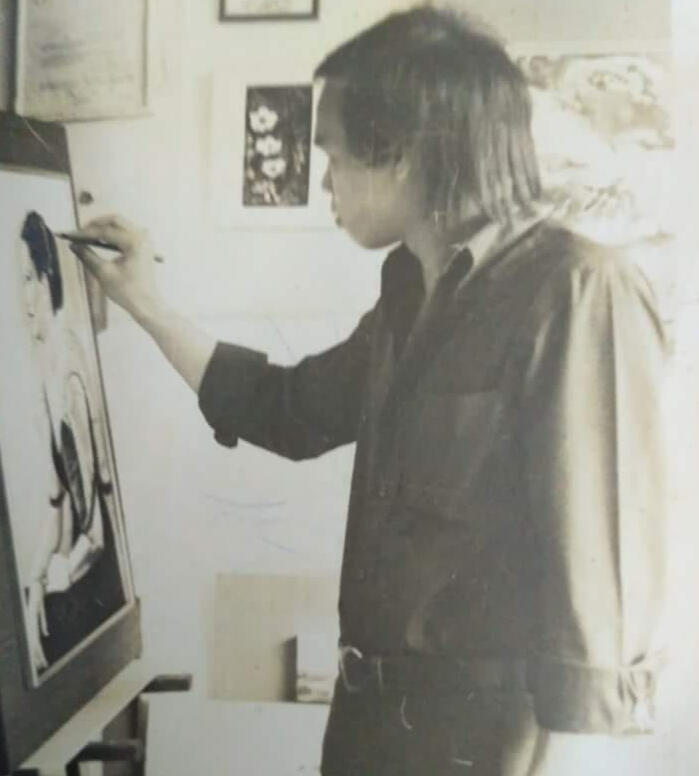
The Artist at work


Manuel Panares is a renowned Cebuano artist born on December 9, 1946, in Cebu, Philippines, who discovered his passion for painting at the age of three and has since dedicated his entire life his craft. Known as an "artist-witness," he meticulously captures the cultural and historical essence of Cebu City, historically called Sugbo, and the vibrant lives of indigenous tribal women from Mindanao, primarily the T'boli Tribe, through his evocative works. His deep commitment to ethnology and history ensures that each piece reflects accurate representations drawn from extensive travels and research.Manuel Panares had as a mentor the National Artist Victorio C. Edades, collaborating on iconic murals such as "Kasaysayan ng Lahi" the longest mural in Philippine art history at the Central Bank Complex in Davao City, this mural is now at the National Museum of the Philippines Davao City.Influenced by Paul Gauguin's depictions of indigenous peoples, he primarily employs pastel and acrylic mediums to blend color, craft, and style in his compositions. His art bridges the past and present, preserving the evolving profiles of Cebuano heritage and southern Philippine tribal vignettes with striking authenticity.Since the late 1960s, Manuel Panares has held solo exhibitions across Cebu, Manila, Davao, Baguio, and the United States, earning accolades for his role in safeguarding Philippine art and culture. Notable series like "Sugbu sa Karaang Panahon" showcase his prowess in historical storytelling, making him a pivotal figure in Filipino visual arts. His enduring legacy continues to inspire through collections and press features that highlight his profound contributions.
Latest Artworks
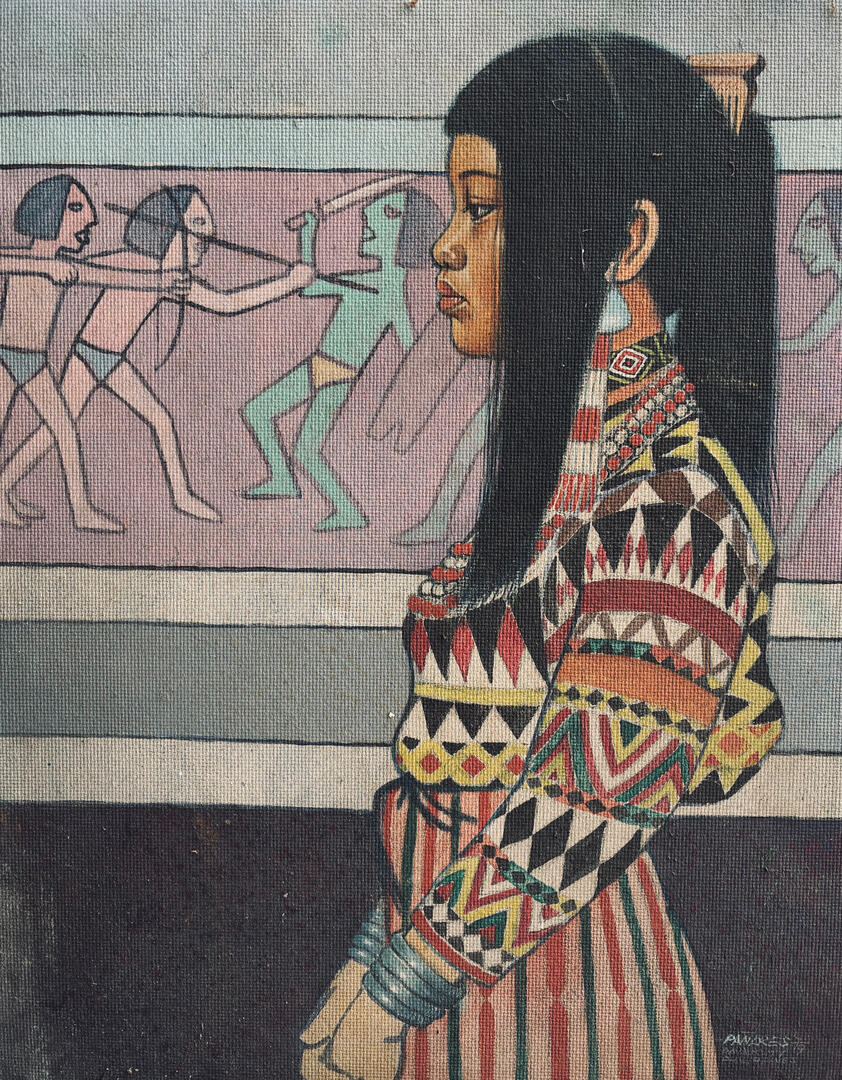
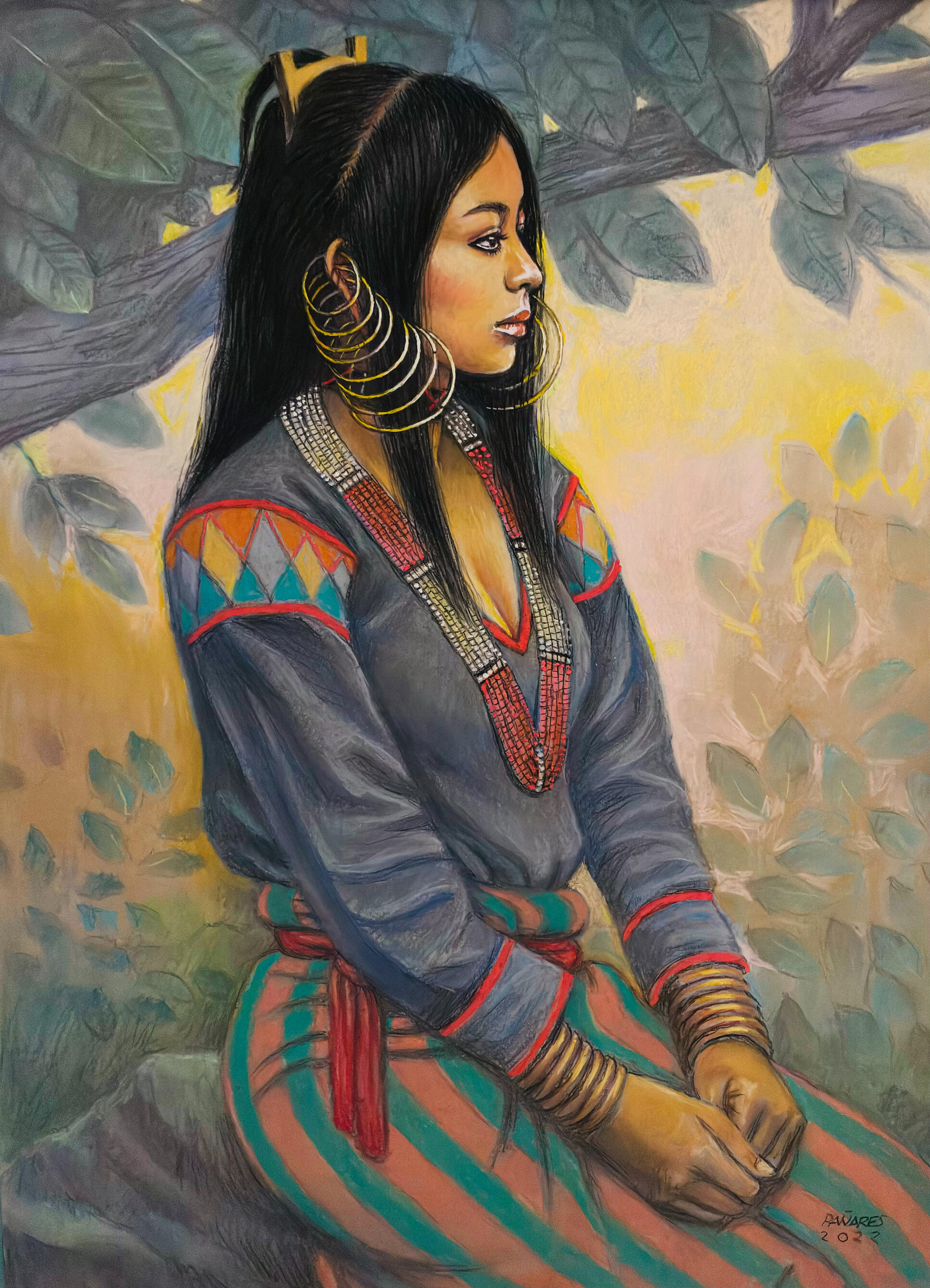
T'boli Girl
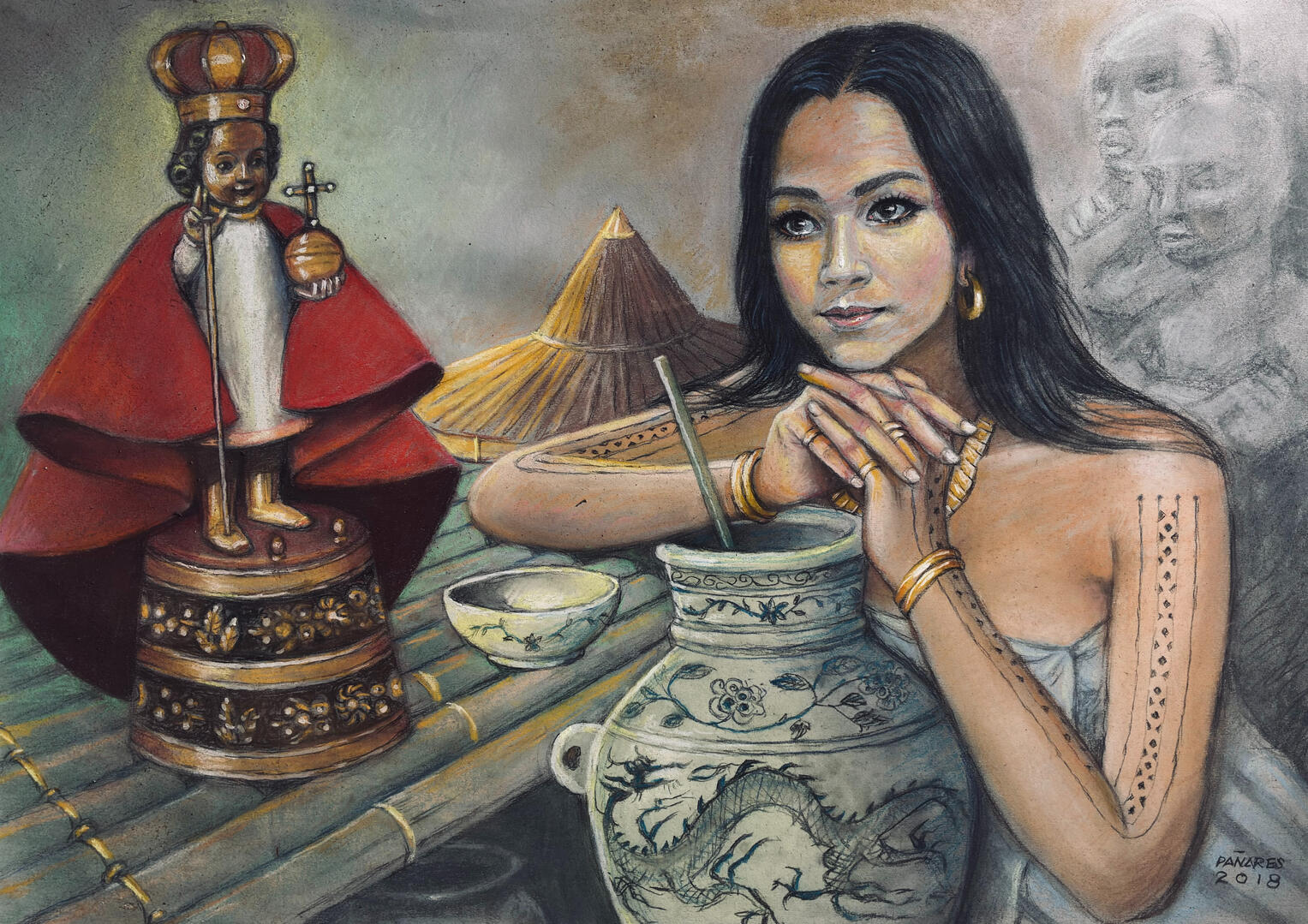
Sto. Nino and a Sugbuana
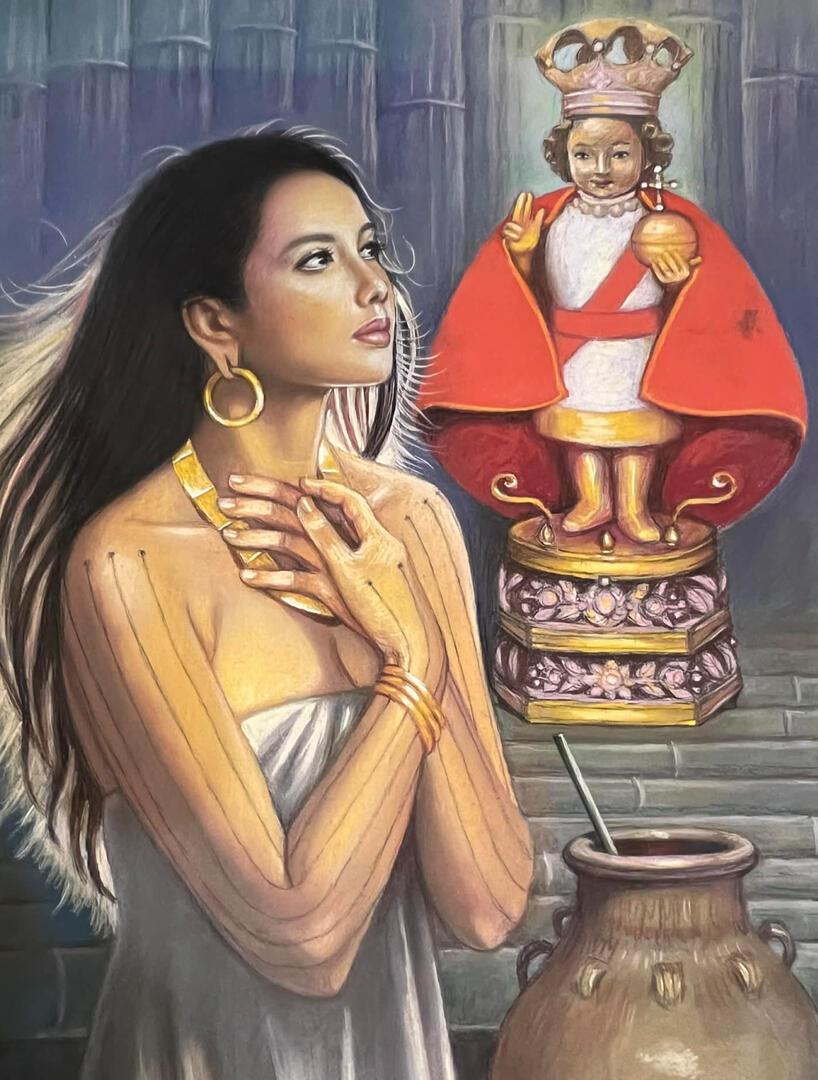
Sto. Nino and Queen Juana
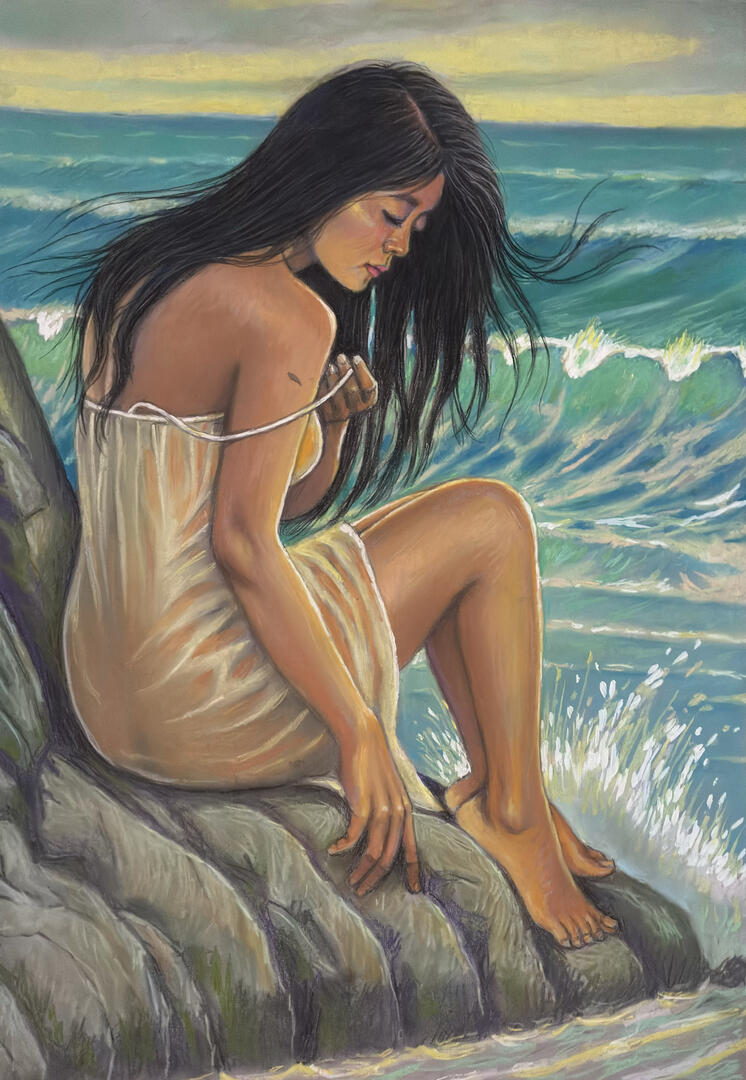
Girl on the Shore
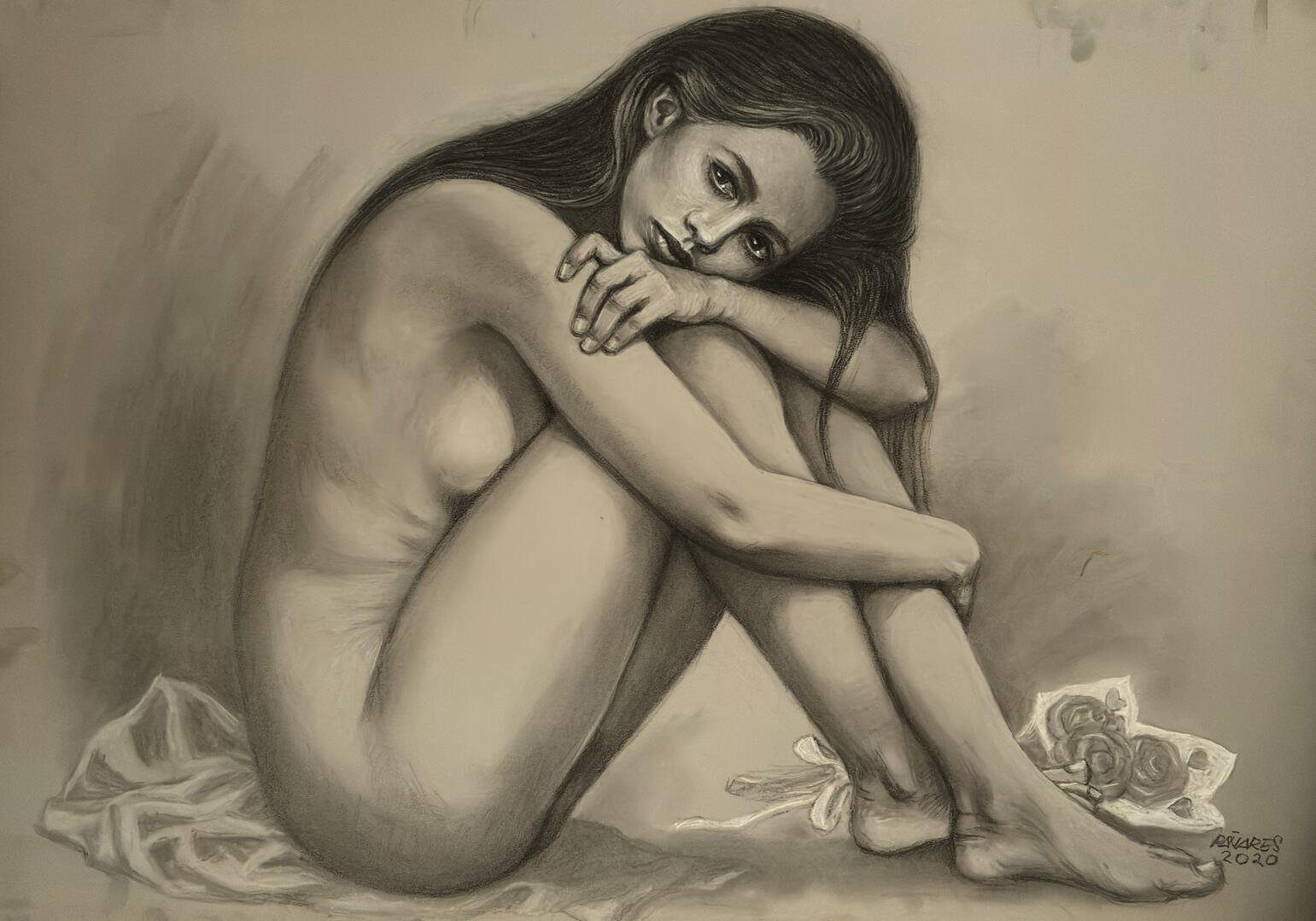
Girl with Rose during Covid
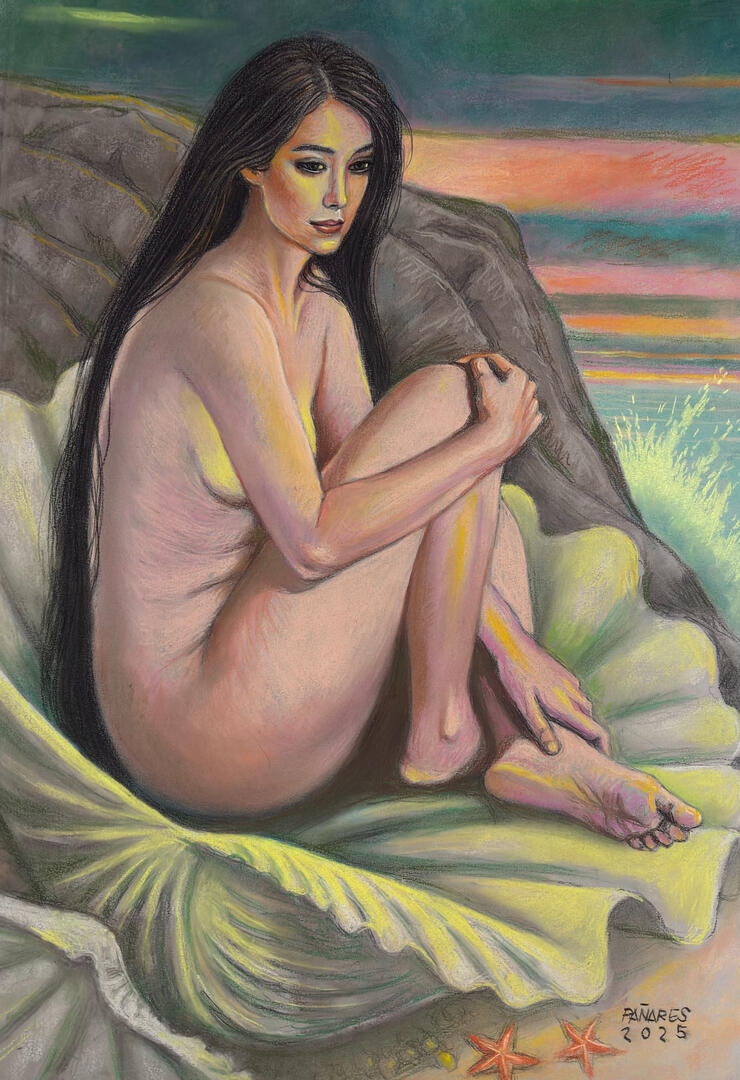
Birth of Venus
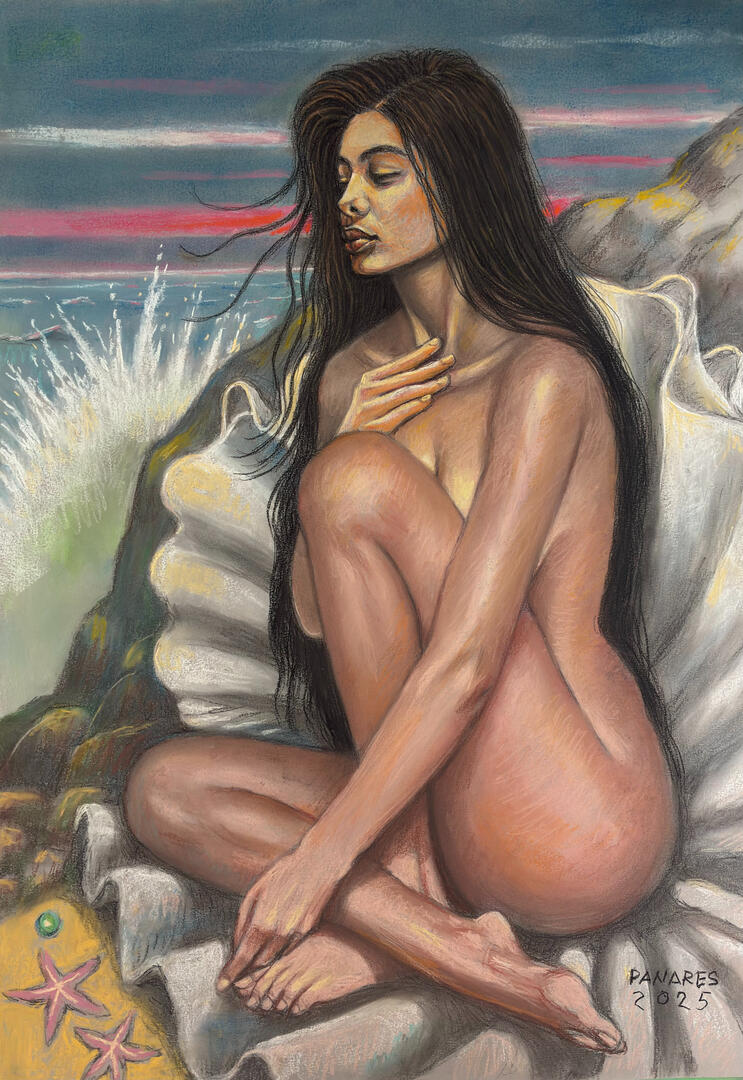
Birth of Venus
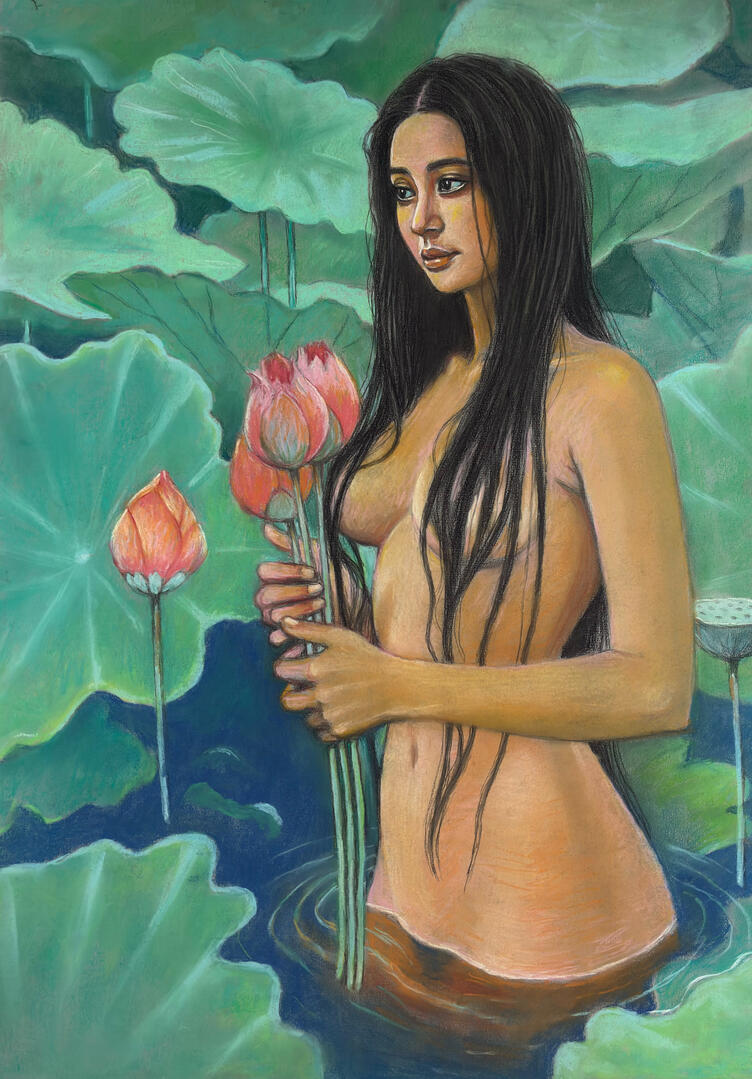
Girl in Lotus Pond
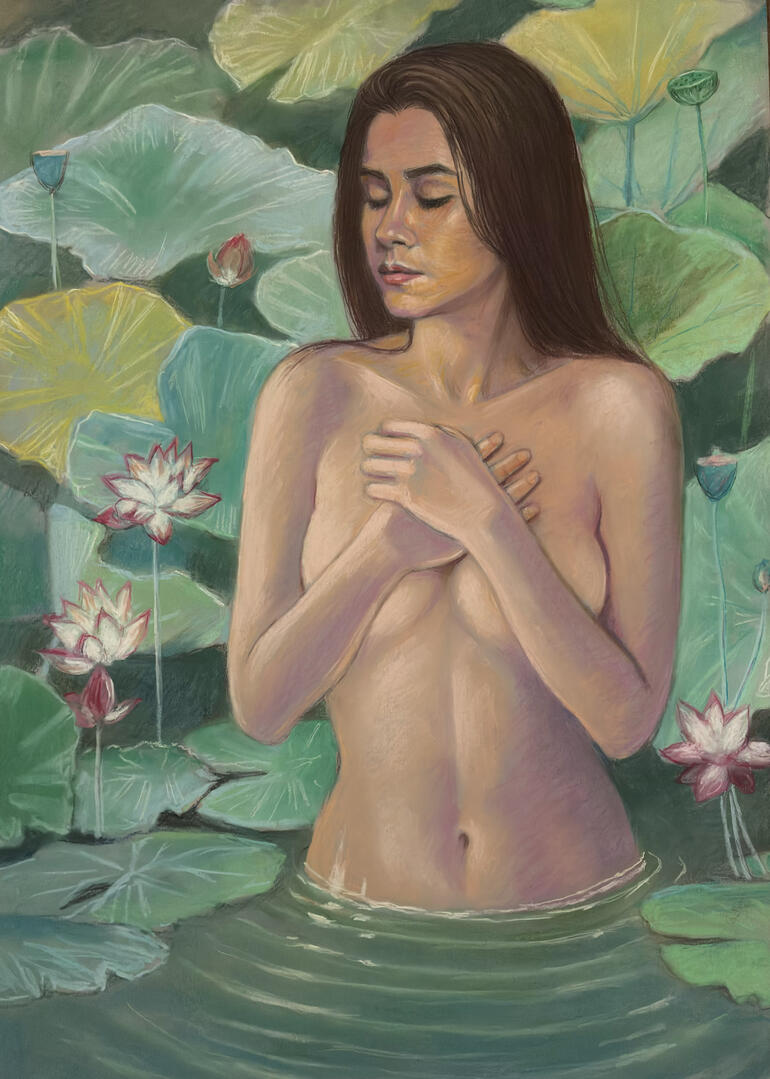
Girl in Lotus Pond
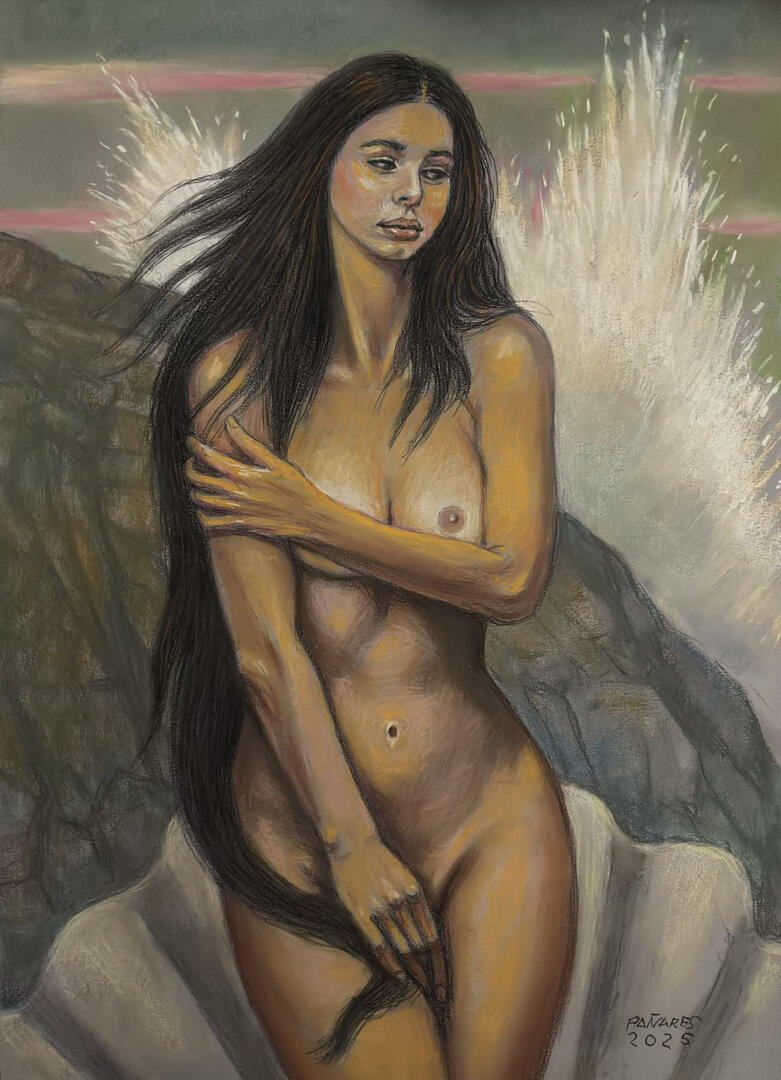
Birth of Venus
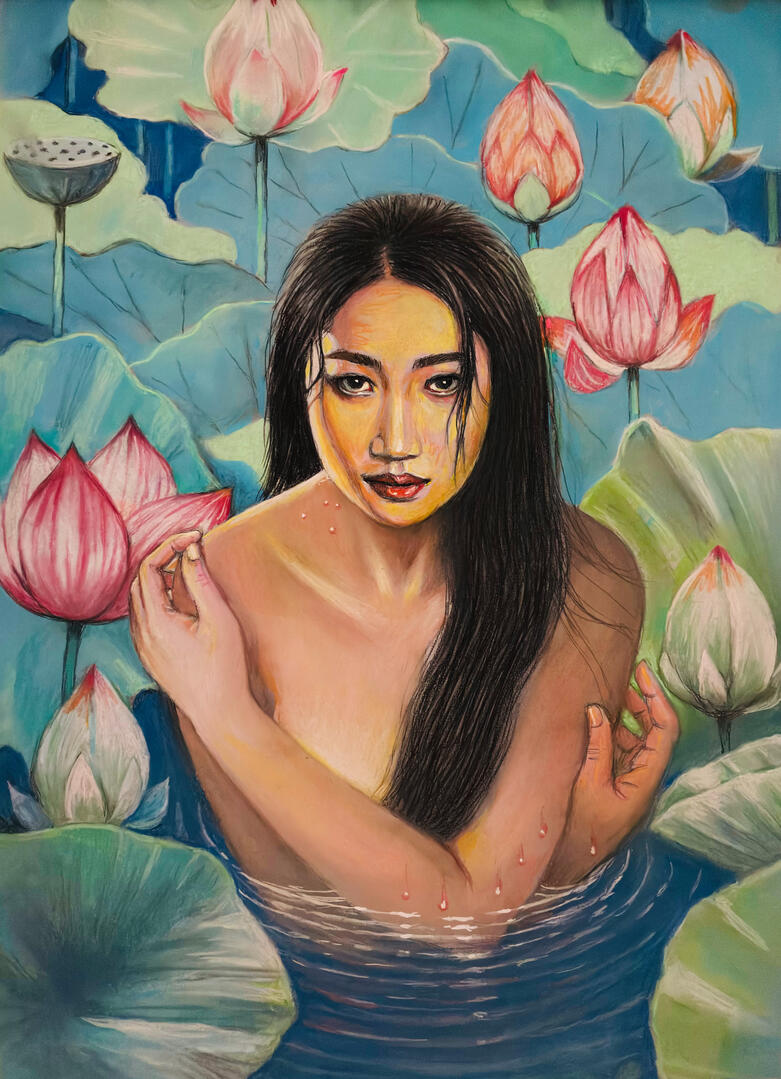
Lotus in Bloom
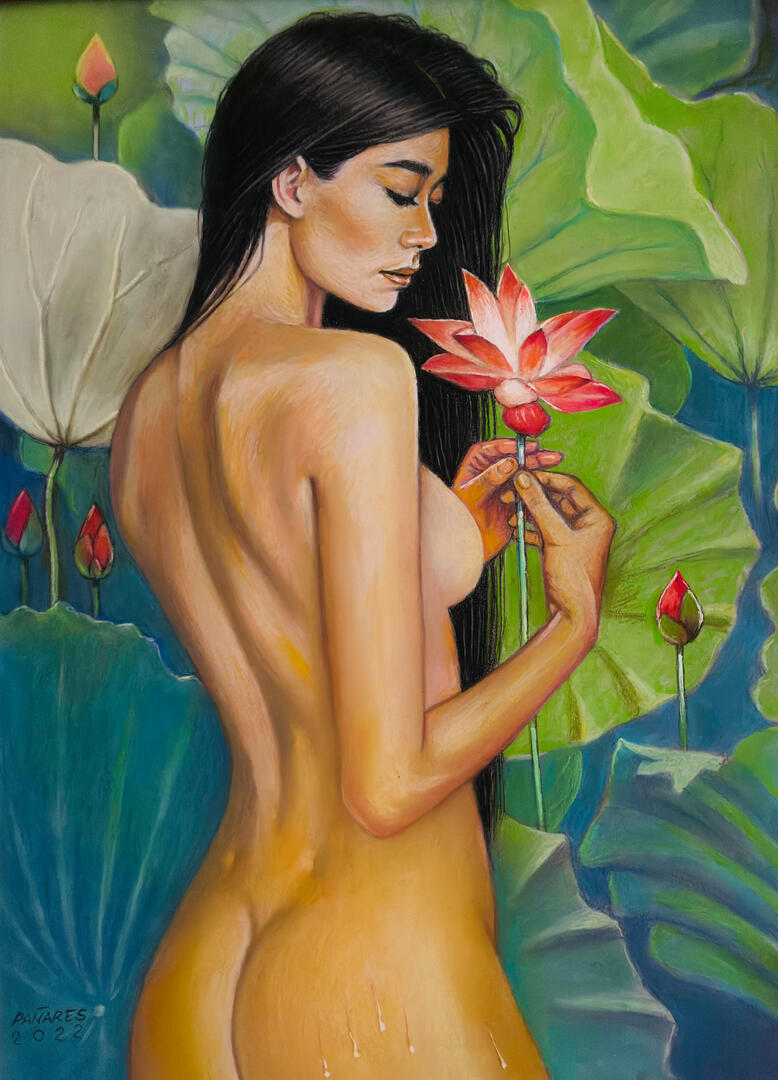
Girl in Lotus Pond
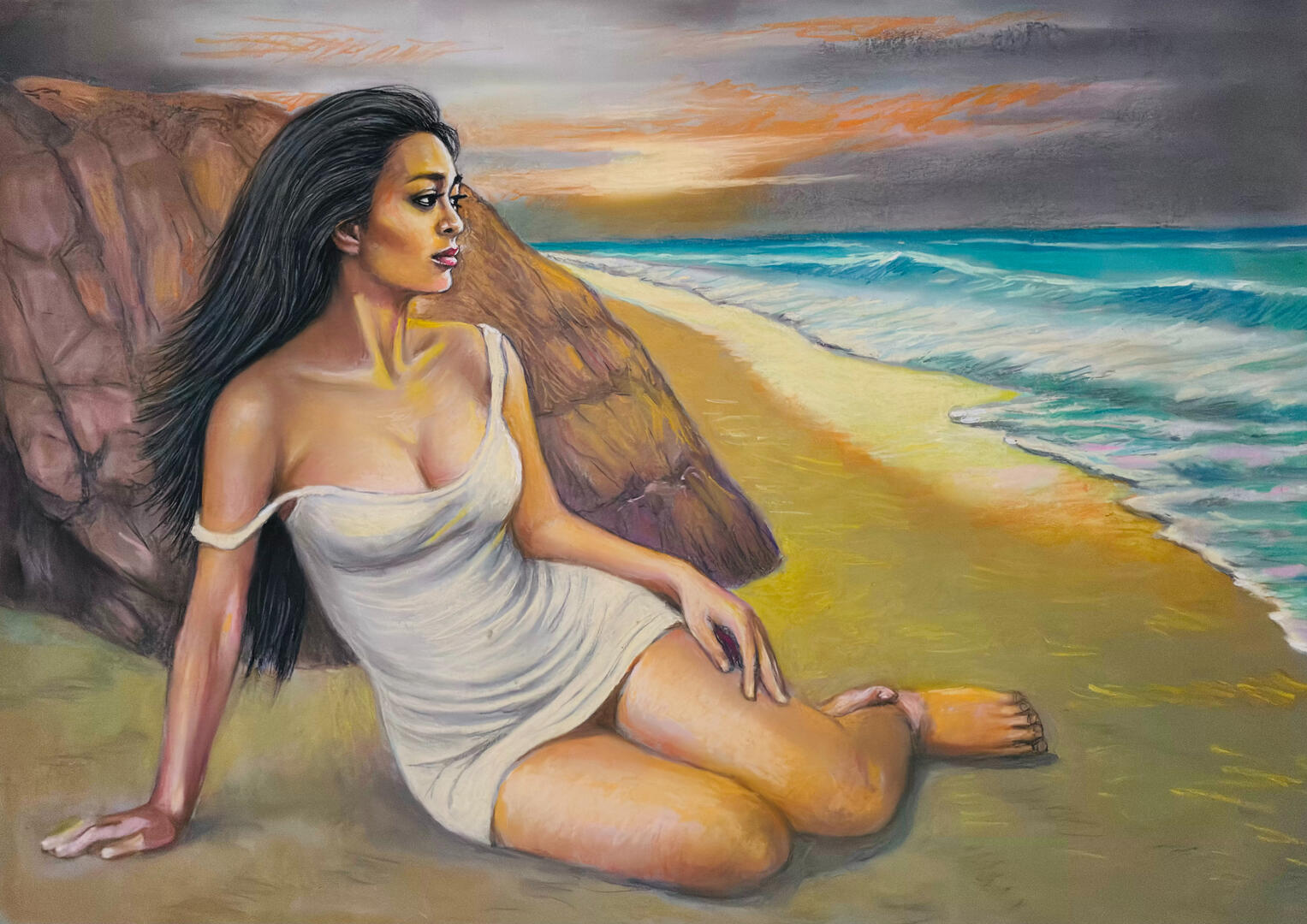
Girl on the Shore
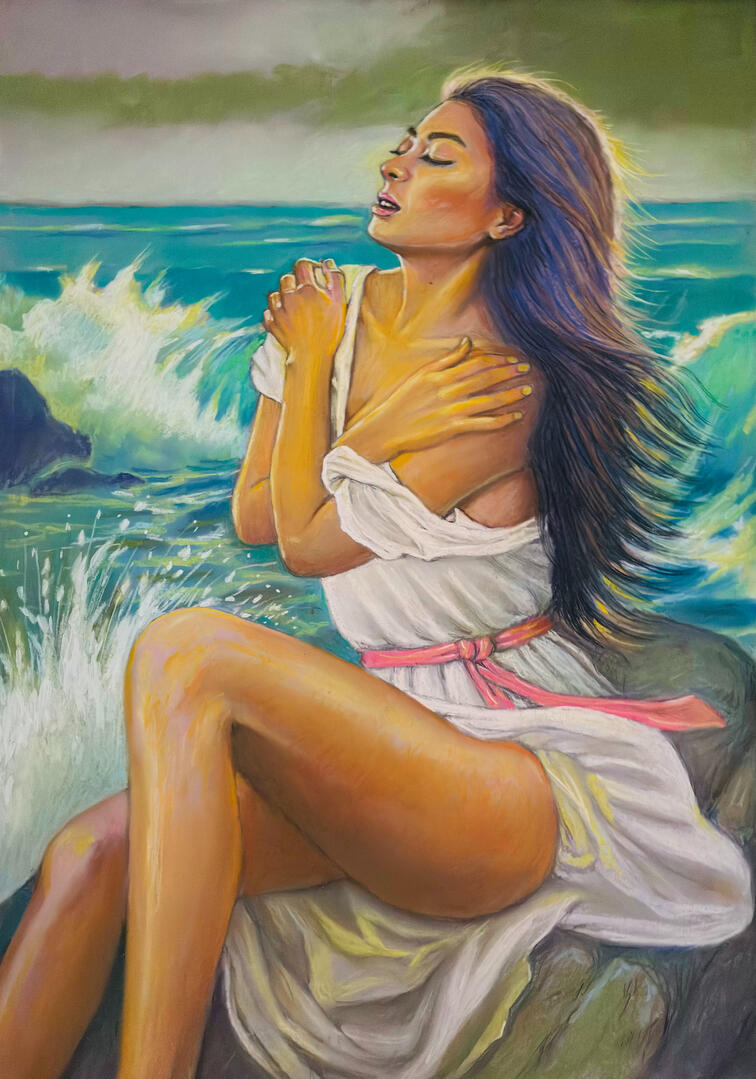
Girl on the Shore
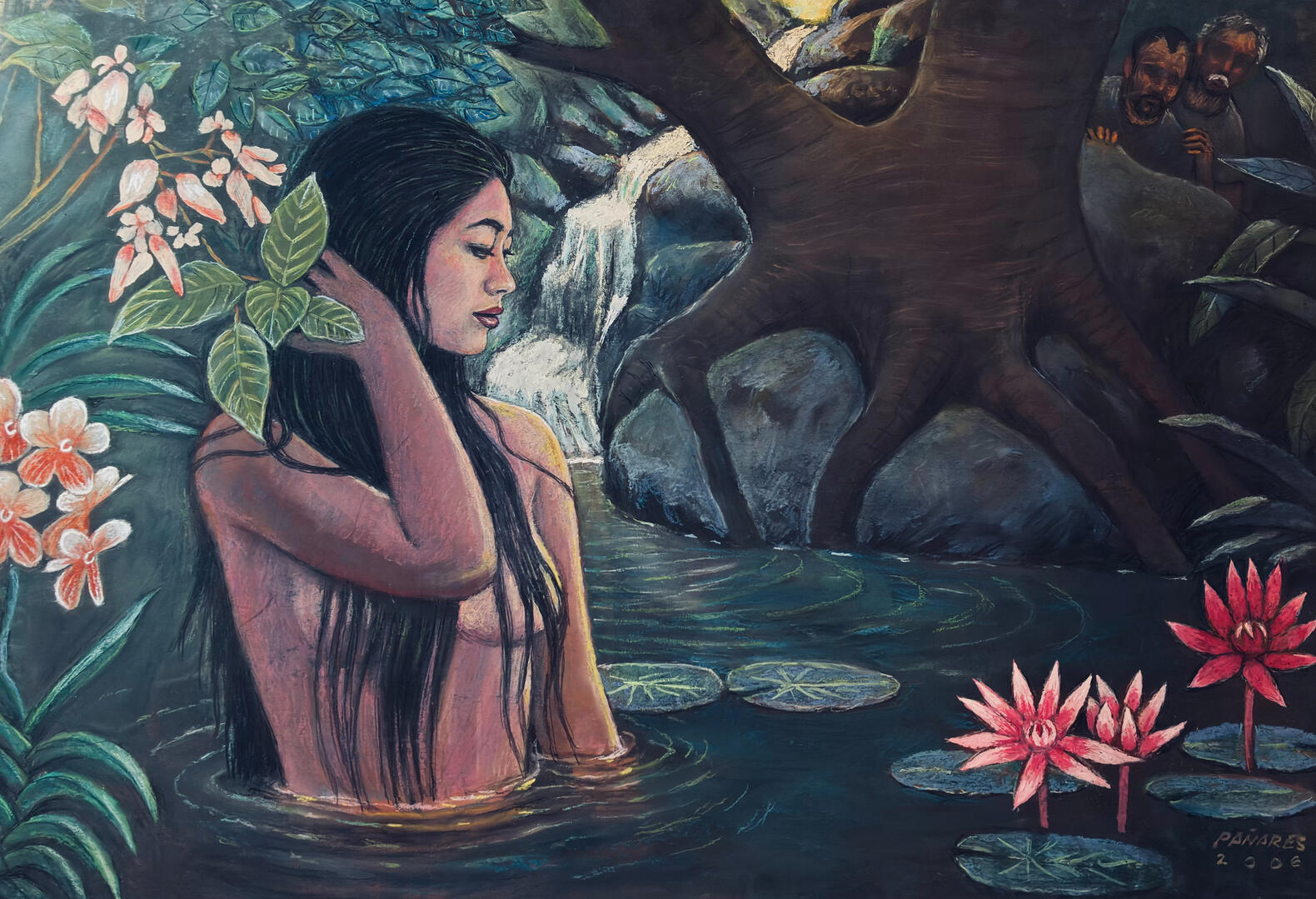
Susanna and the Elders
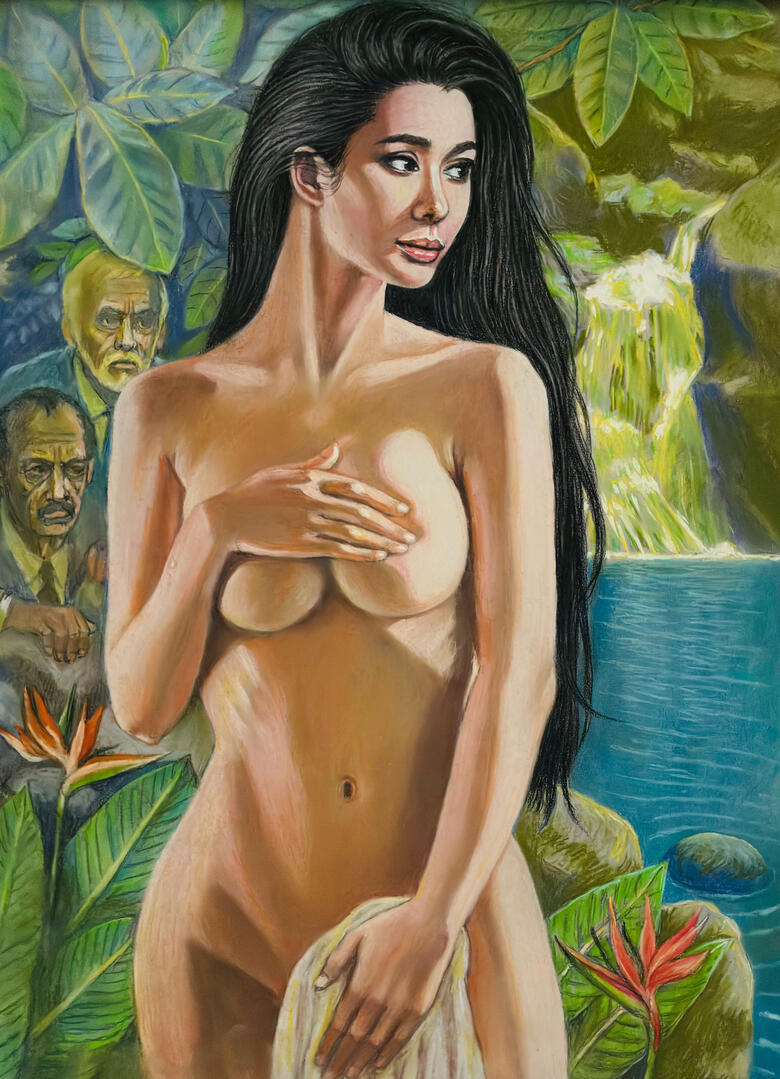
Susanna and the Elders
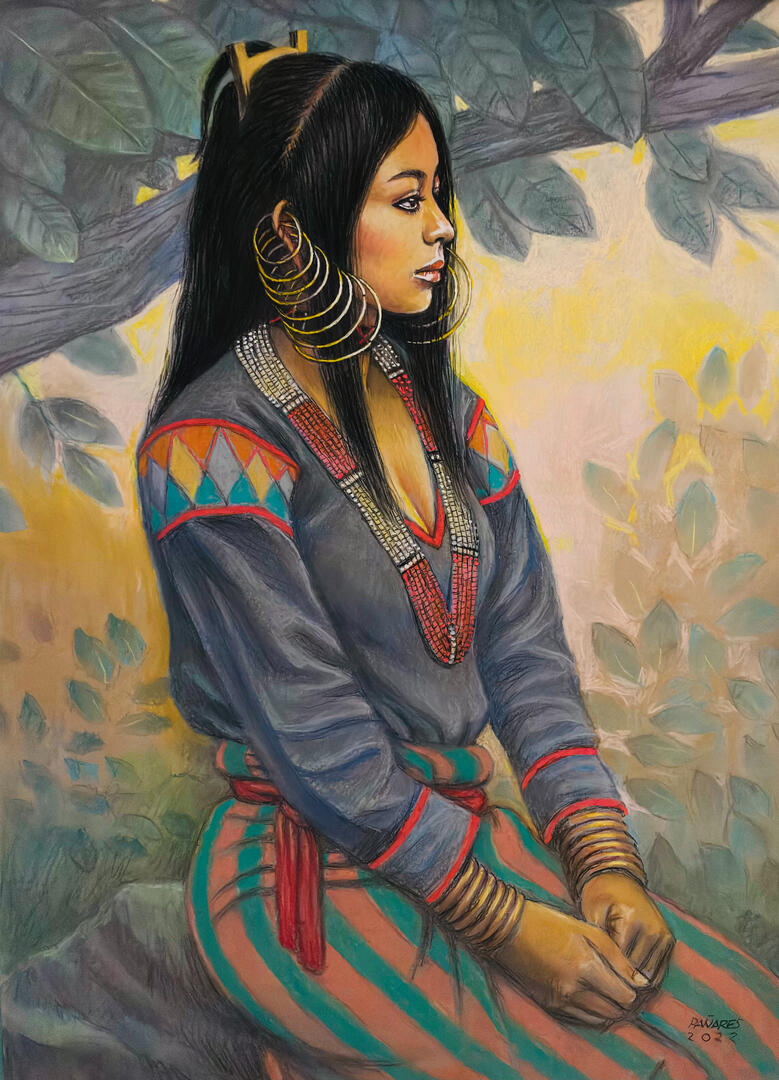
Ubo Maiden from the Ubo Tribe of Mindanao
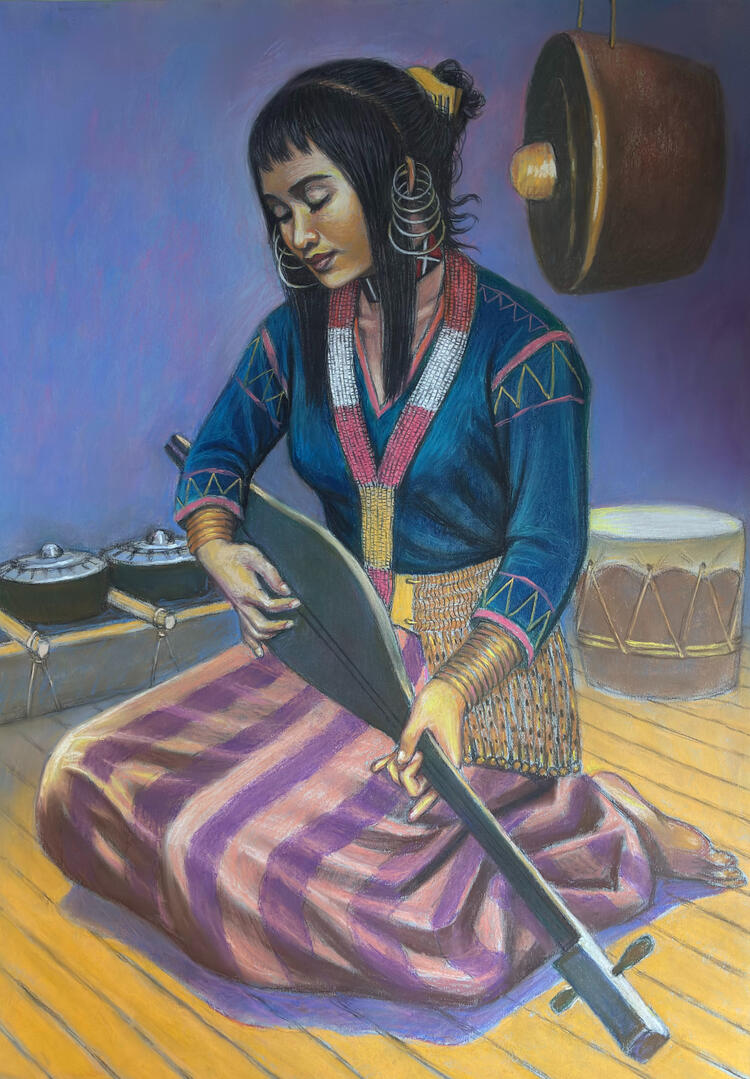
T'boli Musician
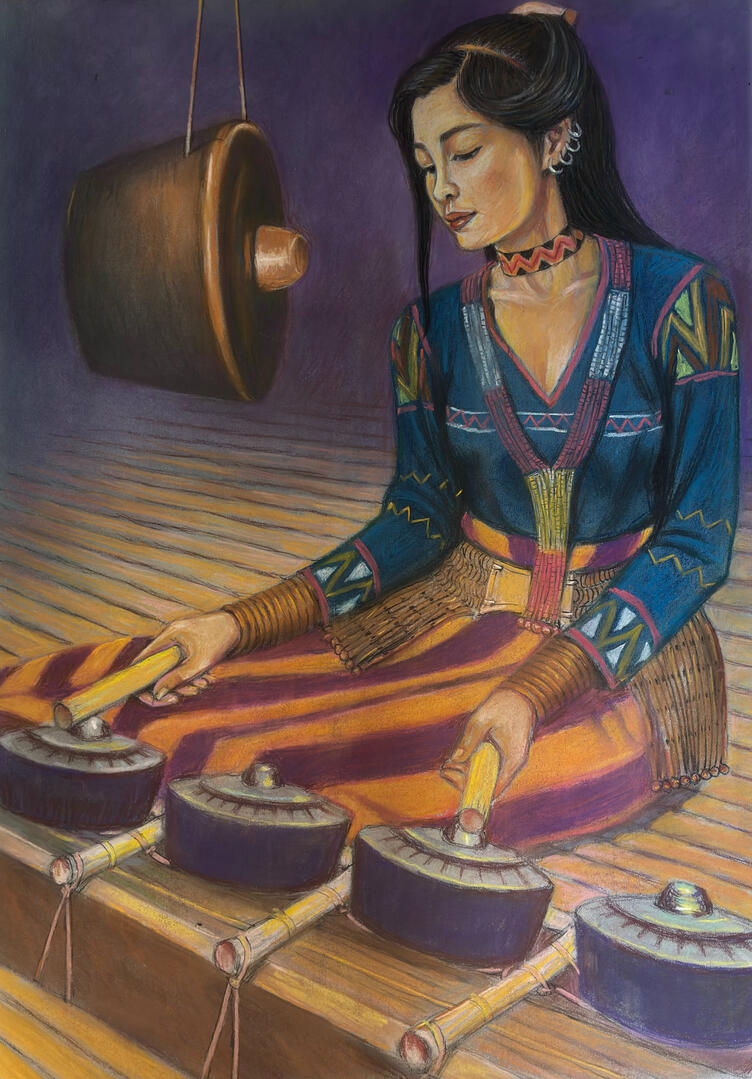
T'boli Musician
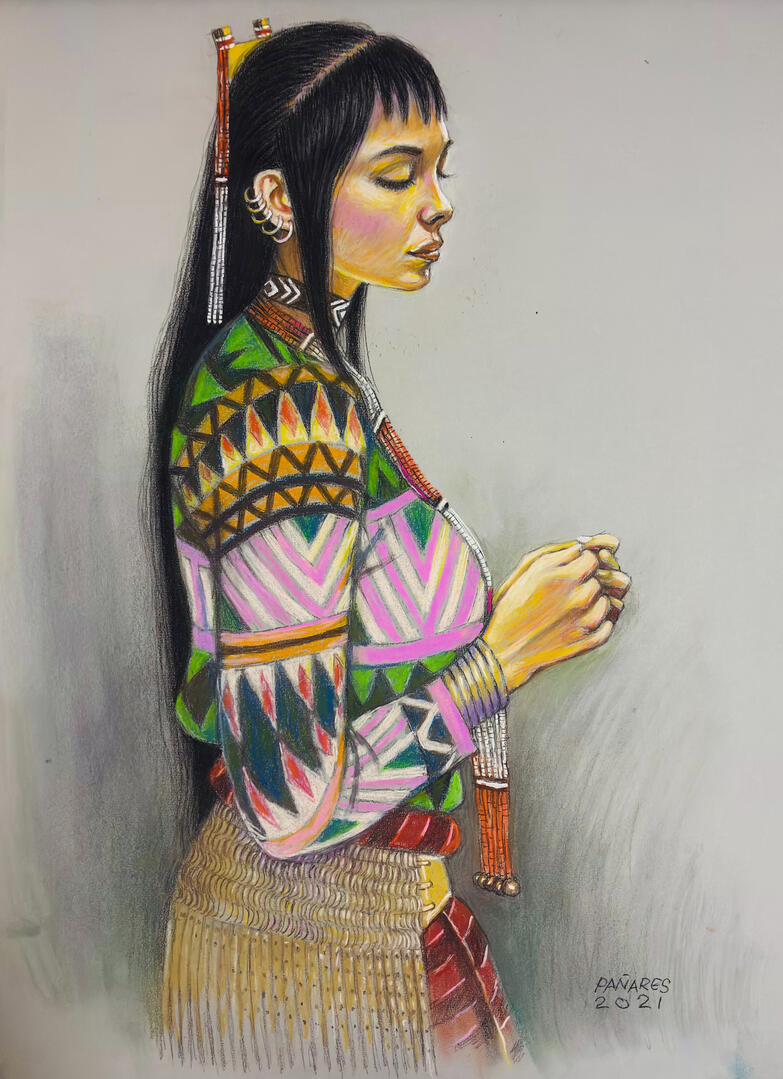
T'boli Girl from the T'boli tribe of Mindanao
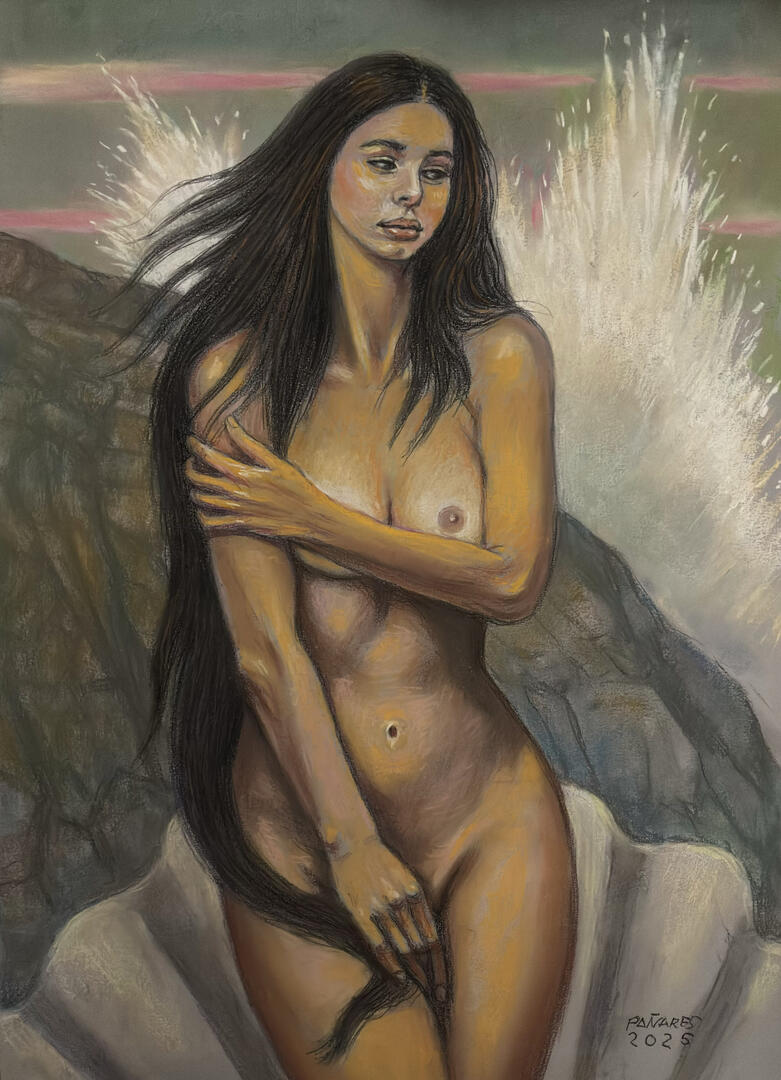
Birth of Venus
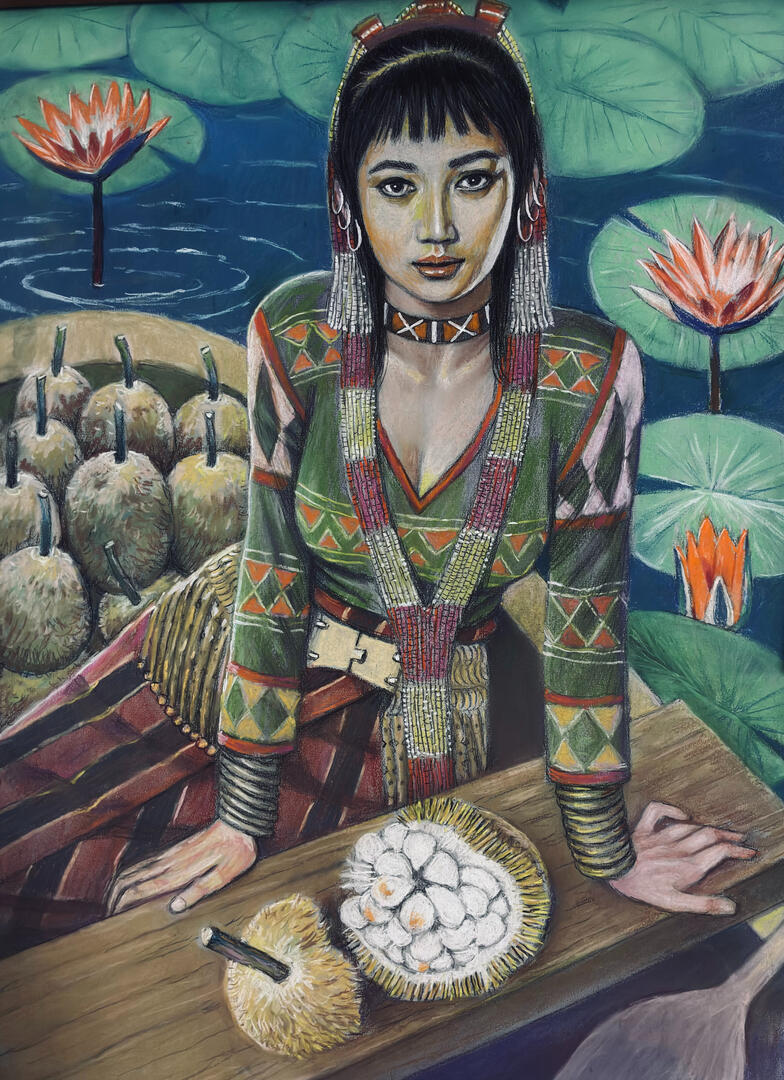
T'boli Girl with Marang
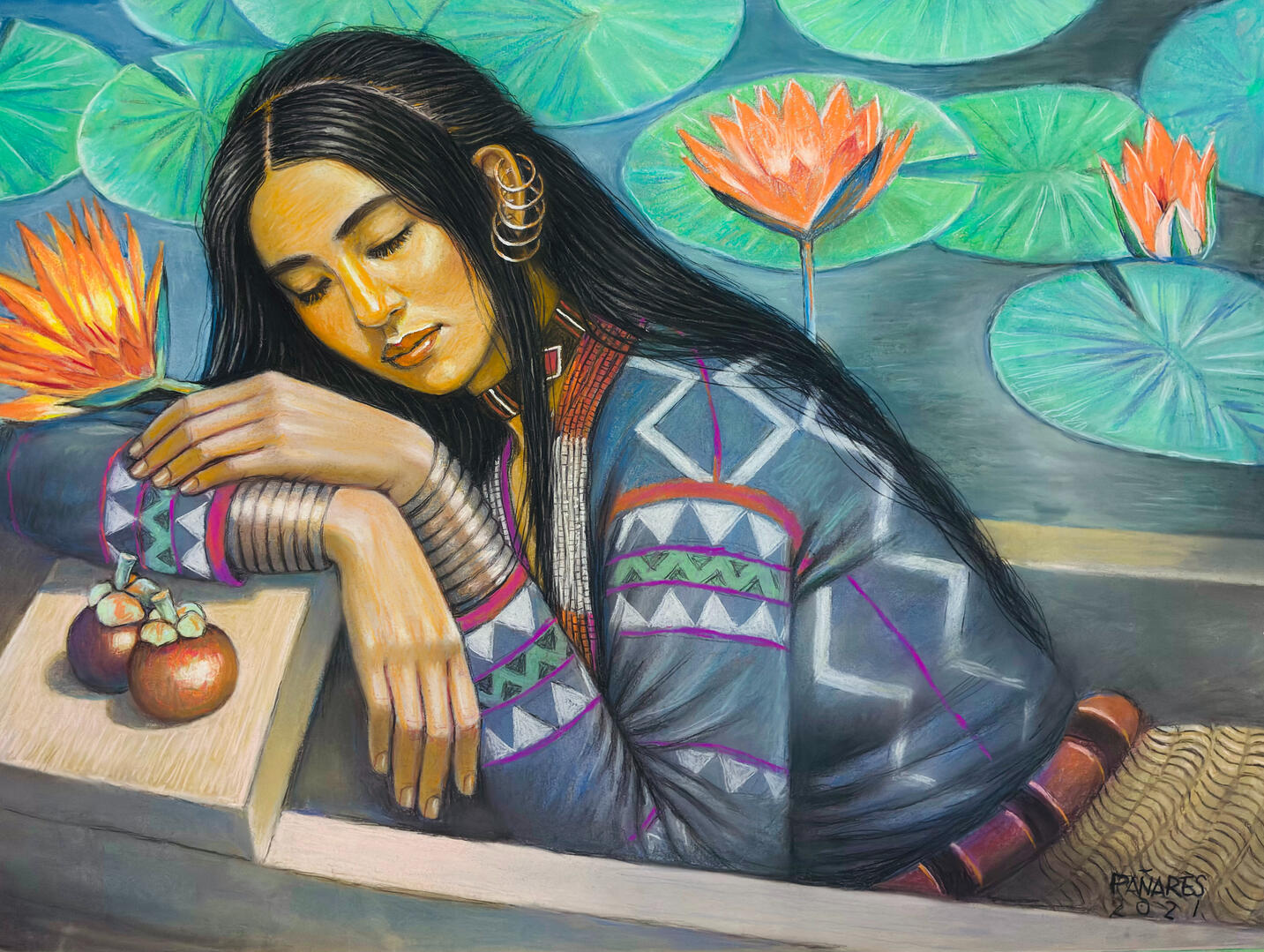
T'boli Girl by the Lake
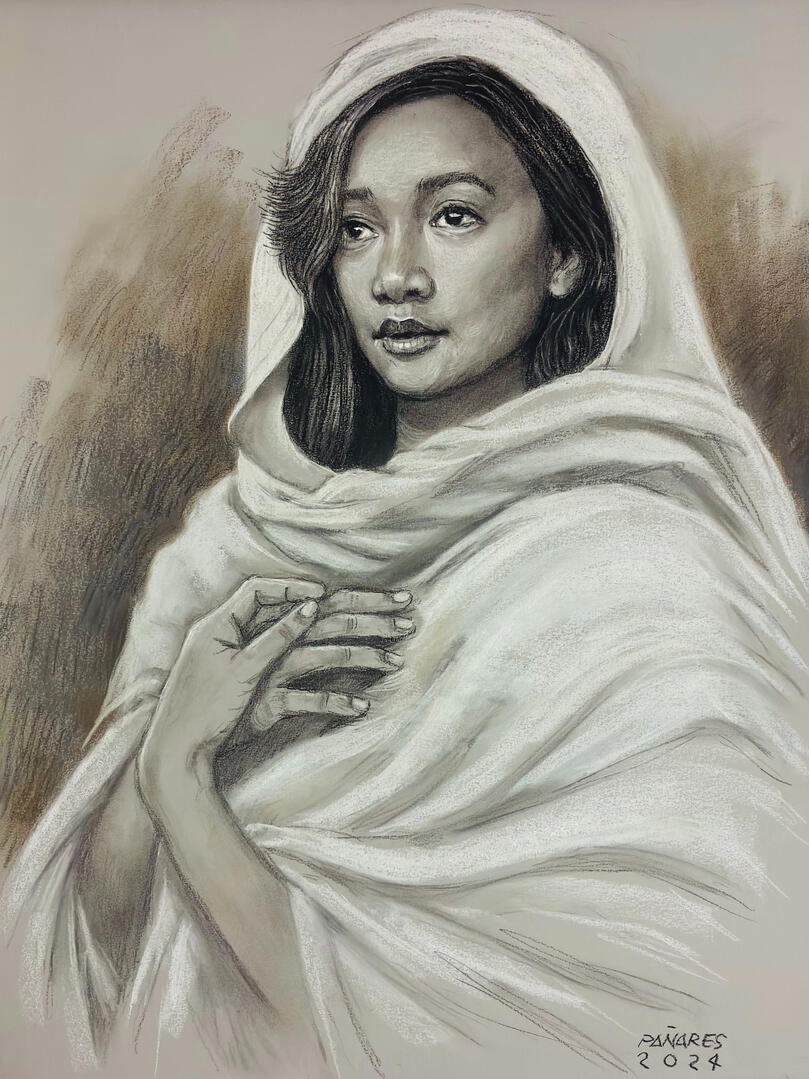
Untitled


Sto. Nino and Queen Juana
![Painted on 2018 in Sugbu(Cebu), A sugbuana with her Sto. Nino. Pastel on paper.]()
Sto. Nino and a Sugbuana
![Sto. Nino and Queen Juana]()
Sto. Nino and Queen Juana
![Sto. Nino and Queen Juana]()
Sto. Nino and Queen Juana
![Sto. Nino and Queen Juana]()
Sto. Nino and Queen Juana
![Sto. Nino and Queen Juana]()
Sto. Nino and Queen Juana
![Sto. Nino and Queen Juana]()
Sto. Nino and Queen Juana
![Sto. Nino and Queen Juana]()
Sto. Nino and Queen Juana
![Sto. Nino and Queen Juana]()
Sto. Nino and Queen Juana
![Sto. Nino and Queen Juana]()
Sto. Nino and Queen Juana
![Sto. Nino and Queen Juana]()
Sto. Nino and Queen Juana
![Sto. Nino and Queen Juana]()
Sto. Nino and Queen Juana
![Sto. Nino and Queen Juana]()
Sto. Nino and Queen Juana
![Sto. Nino and Queen Juana]()
Sto. Nino and Queen Juana
![Sto. Nino and Queen Juana]()
Sto. Nino and Queen Juana
![Sto. Nino and Queen Juana]()
Sto. Nino and Queen Juana
![Sto. Nino and Queen Juana]()
Sto. Nino and Queen Juana
![Sto. Nino and Queen Juana]()
Sto. Nino and Queen Juana
![Sto. Nino and Queen Juana]()
Sto. Nino and Queen Juana
![Sto. Nino and Queen Juana]()
Sto. Nino and Queen Juana
![Sto. Nino and Queen Juana]()
Sto. Nino and Queen Juana
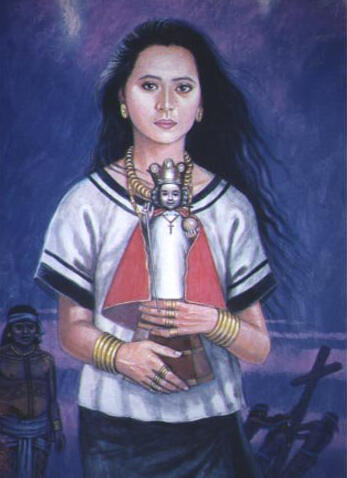
Sto. Nino and Queen Juana
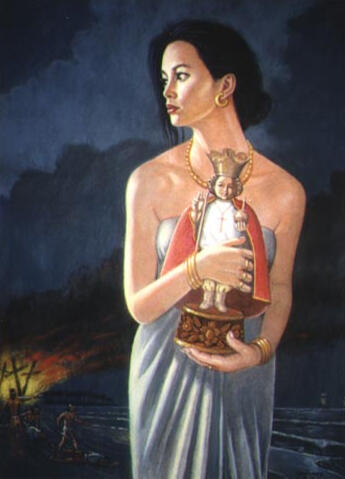
Sto. Nino and Queen Juana
![Sto. Nino and Queen Juana]()
Sto. Nino and Queen Juana
![At Sto. Nino de Cebu]()
At Sto. Nino de Cebu
![At Sto. Nino de Cebu]()
At Sto. Nino de Cebu
![A Cebuana Maiden]()
A Cebuana Maiden


Tribes of Mindanao
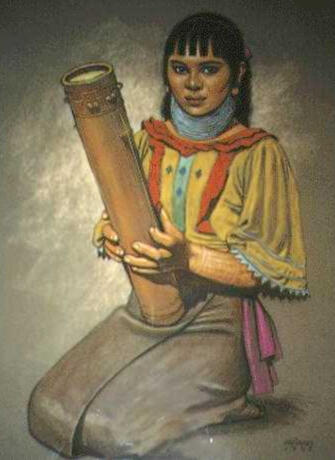
![Painted in Davao, Mindanao on 1979. Acrylic on board. A girl from the T'boli tribe of Mindanao, one of the many beautiful tribes in the Philippines. The artist spent a lot of time with this tribe and his appreciation of the tribe's beauty is reflected in]()
T'boli Girl
![T'boli Tribe of Mindanao]()
T'boli Tribe of Mindanao
![T'boli Tribe of Mindanao]()
T'boli Tribe of Mindanao
![T'boli Tribe of Mindanao]()
T'boli Tribe of Mindanao
![T'boli Tribe of Mindanao]()
T'boli Tribe of Mindanao
![T'boli Tribe of Mindanao]()
T'boli Tribe of Mindanao
![T'boli Tribe of Mindanao]()
T'boli Tribe of Mindanao
![T'boli Tribe of Mindanao]()
T'boli Tribe of Mindanao
![Ubo Maiden from the Ubo Tribe of Mindanao]()
Ubo Maiden from the Ubo Tribe of Mindanao
![T'boli Tribe of Mindanao]()
T'boli Tribe of Mindanao
![T'boli Tribe of Mindanao]()
T'boli Tribe of Mindanao
![T'boli Tribe of Mindanao]()
T'boli Tribe of Mindanao
![T'boli Tribe of Mindanao]()
T'boli Tribe of Mindanao
![T'boli Tribe of Mindanao]()
T'boli Tribe of Mindanao
![T'boli Tribe of Mindanao]()
T'boli Tribe of Mindanao
![T'boli Tribe of Mindanao]()
T'boli Tribe of Mindanao
![T'boli Tribe of Mindanao]()
T'boli Tribe of Mindanao
![T'boli Tribe of Mindanao]()
T'boli Tribe of Mindanao
![T'boli Tribe of Mindanao]()
T'boli Tribe of Mindanao
![T'boli Tribe of Mindanao]()
T'boli Tribe of Mindanao
![T'boli Tribe of Mindanao]()
T'boli Tribe of Mindanao
![T'boli Tribe of Mindanao]()
T'boli Tribe of Mindanao
![T'boli Tribe of Mindanao]()
T'boli Tribe of Mindanao
![T'boli Tribe of Mindanao]()
T'boli Tribe of Mindanao
![Sleeping Beauty]()
Sleeping Beauty
![Sleeping Beauty]()
Sleeping Beauty


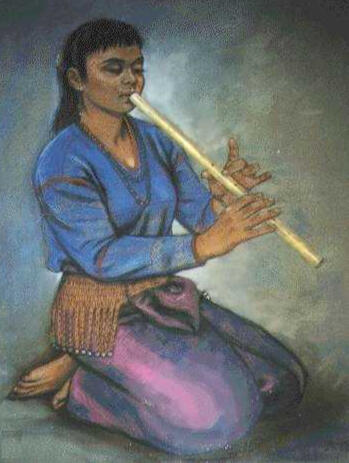
T'boli Tribe of Mindanao
T'boli Tribe of Mindanao
![T'boli Tribe of Mindanao]()
T'boli Tribe of Mindanao

T'boli girl with Marang

T'boli Girl

T'boli girl by the Lake


Historical Portraits
![Rajah Lapu-Lapu]()
Rajah Lapu-Lapu
![Rajah Humabon]()
Rajah Humabon
![Ferdinand Magellan]()
Ferdinand Magellan
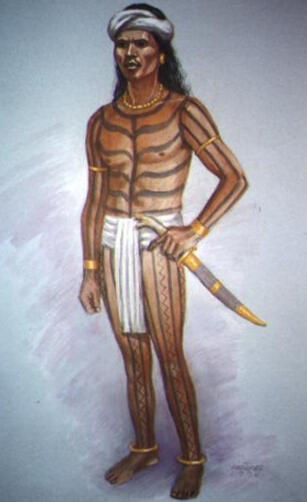
Rajah Lapu-Lapu
![Rajah Lapu-Lapu]()
Rajah Lapu-Lapu
![Enrique de Mallaca]()
Enrique de Mallaca
![Enrique de Mallaca]()
Enrique de Mallaca
![Antonio Pigaffeta]()
Antonio Pigaffeta
![Leon Kilat]()
Leon Kilat
![Vicente Rama]()
Vicente Rama
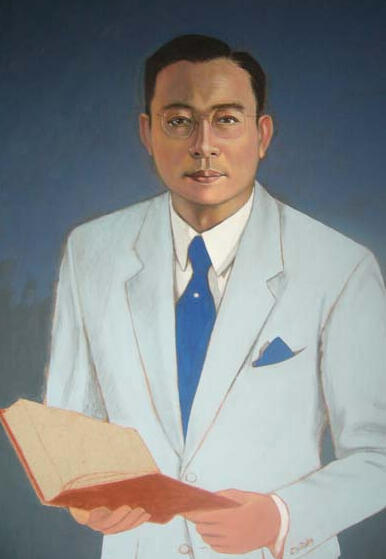
Vicente Rama


Sugbo sa Karaang Panahon
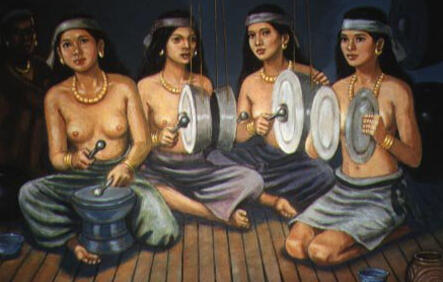
Untitled
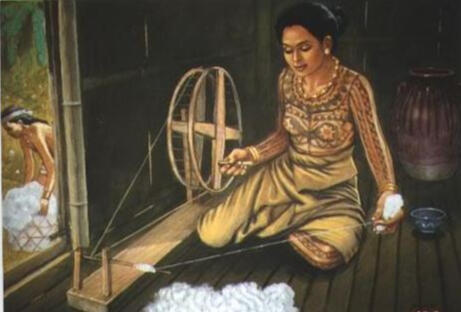
Cotton Weaver
![Cebu Trades with Chinese Merchants]()
Cebu Trades with Chinese Merchants
![Magellan's crew trade in Guam]()
Magellan's crew trade in Guam
![Blood Compact]()
Blood Compact
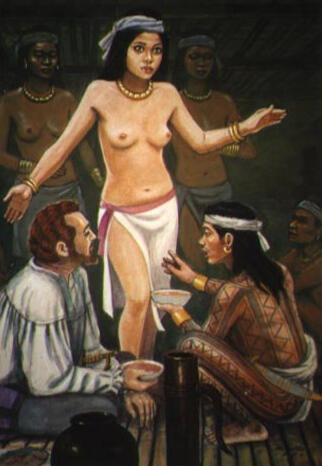
Blood Compact
![Arrival of Magellan in Sugbu]()
Arrival of Magellan in Sugbu
![Sugbu welcomes Magellan]()
Sugbu welcomes Magellan
![The First Mass in Sugbu]()
The First Mass in Sugbu
![Rajah Lapu-Lapu defeats Magellan]()
Rajah Lapu-Lapu defeats Magellan
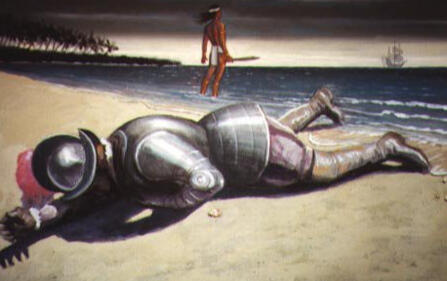
I am Lapu-Lapu and Magellan is no more
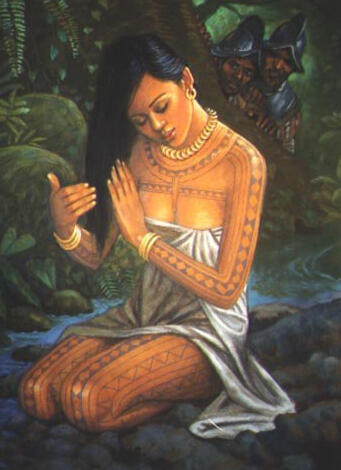
Untitled
![Sugbu expels the Spaniards after Magellan falls]()
Sugbu expels the Spaniards after Magellan falls
![Finding of Sto. Nino]()
Finding of Sto. Nino
![Finding the Sto. Nino]()
Finding the Sto. Nino


Notable Artworks
![Adam and Eve]()
Adam and Eve
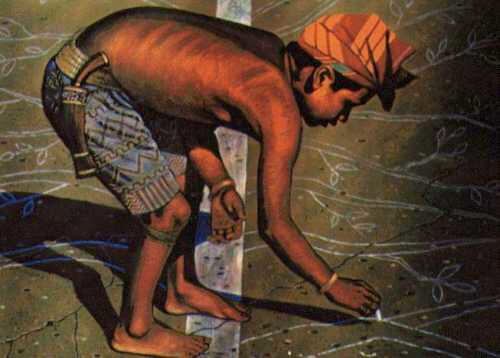
Now the Trees are gone
![Smokey Mountain]()
Smokey Mountain
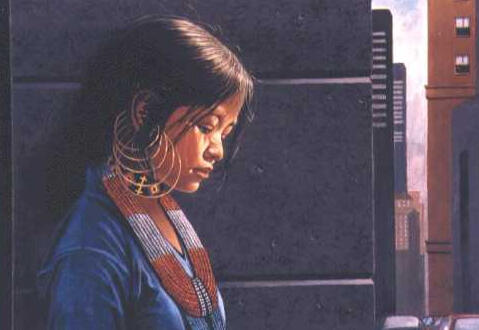
T'boli in the City
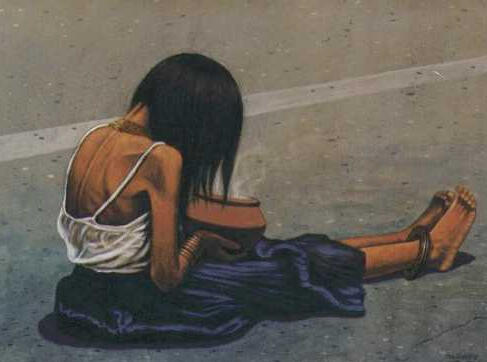
Untitled
![Tonette Panares]()
Tonette Panares
![Mahal Kita Pilipinas]()
Mahal Kita Pilipinas
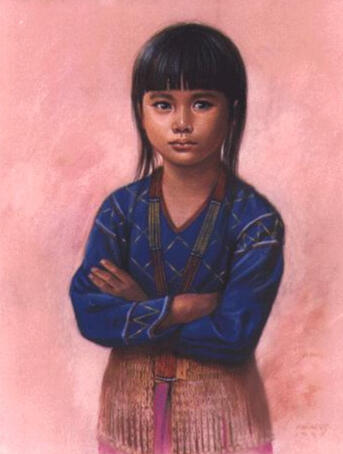
Untitled
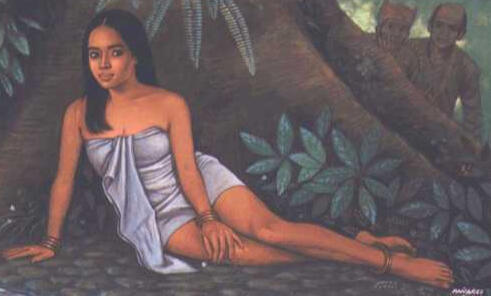
Untitled
![Girl in the Pond]()
Girl in the Pond
![Maria Makiling]()
Maria Makiling
![Nativity]()
Nativity
![A Serenade by Angels]()
A Serenade by Angels
![Mary and Jesus]()
Mary and Jesus
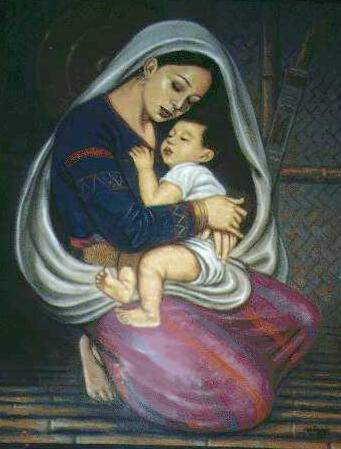
Mother and Child
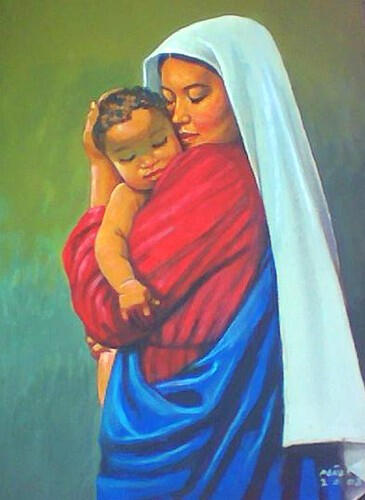
Mother and Child
![Mother and Child]()
Mother and Child
![Mother and Child]()
Mother and Child
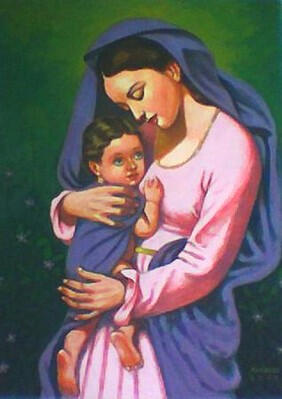
Mother and Child
![Bathing Lady]()
Bathing Lady
![Untitled]()
Untitled
![Untitled]()
Untitled
![Untitled]()
Untitled
![Untitled]()
Untitled
![I am part of the rally too]()
I am part of the rally too

Badjau Girl


Some artworks are available for acquisition.Contact us let us arrange a private viewing.
Articles
All about Rajah Lapulapu
Rajah Lapulapu was a datu (chieftain) of Mactan Island in Cebu during the early 16th century, emerging as a pivotal figure in pre-colonial Visayan society. As one of two rival chiefs alongside Datu Zula, Lapulapu governed a warrior community skilled in combat, wielding kampilan swords, shields, bows, and bamboo spears. His leadership embodied resistance to external authority, rooted in local autonomy amid the fragmented barangay system of the archipelago, where datus like him commanded loyalty through kinship, trade, and martial prowess.In March 1521, Ferdinand Magellan, a Portuguese explorer sailing for Spain, arrived in the Philippines after a grueling Pacific crossing, anchoring first at Cebu. Rajah Humabon of Cebu submitted to Spanish influence, accepting Christianity and tribute obligations, while enlisting Magellan's aid against Lapulapu, who refused fealty and clashed with Humabon's allies over resources and control of Mactan. Tensions escalated as Magellan demanded Lapulapu's submission to the Spanish crown, viewing refusal as defiance against Christian conversion and imperial expansion. Datu Zula, Lapulapu's rival, sided with the foreigners, setting the stage for confrontation.On April 27, 1521, under cover of night, Magellan launched an assault on Mactan with about 60 armored Spaniards and Cebuano warriors in karakoa boats, arriving hours before dawn. Shallow reefs and rocks prevented close landing, forcing troops to wade ashore roughly 100 meters from the beach under Lapulapu's watchful 1,500-strong force. Magellan, confident in European steel and firepower, ordered Humabon's men to stay back, aiming to demonstrate superiority without native aid. Lapulapu taunted them to delay until daylight, exploiting the terrain and numbers.As dawn broke, Lapulapu's warriors unleashed a ferocious assault, firing arrows and hurling spears that pierced Spanish armor in the waterlogged approach. Magellan's crossbows and muskets faltered in the shallow tide, while his men struggled against agile foes who struck and retreated. Wounded repeatedly in the legs and arm, Magellan fell after hours of fighting, killed by kampilan blows; three Spaniards died total, with survivors retreating bloodied to their boats. Eyewitness Antonio Pigafetta chronicled the rout, noting Magellan's fatal overconfidence.Magellan's death shattered Spanish morale, ending his personal quest to circumnavigate the globe and delaying colonization by over 40 years until Miguel López de Legazpi's 1565 arrival. Lapulapu's victory preserved Mactan autonomy temporarily, though Cebu soon aligned with Spain post-battle via poisonings that killed Humabon. The event symbolized indigenous defiance, contrasting Magellan's navigational triumph with tactical hubris against terrain-savvy locals.Lapulapu endures as the Philippines' first national hero, honored by the Mactan Shrine and Lapu-Lapu City (renamed 1961), with his legacy mythologized in monuments, currency, and lore despite scant pre-colonial records. Debates persist on his exact identity—possibly a title or collective symbol—but the battle underscores early resistance to empire, predating unified Filipino identity by centuries.
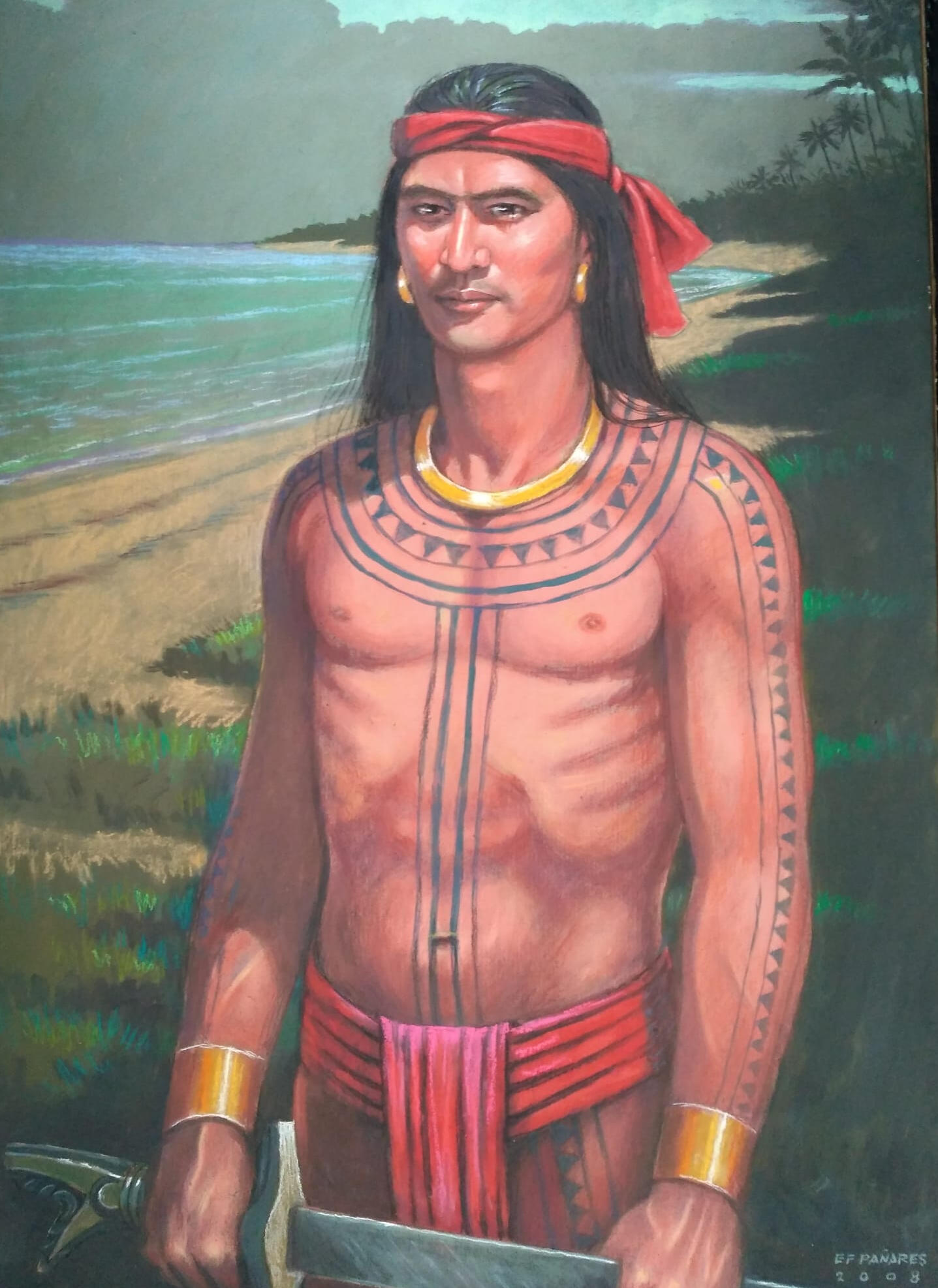
Rajah Humabon, Magellan’s Journey to Cebu, and the expedition that changed the World
It all began in 1519: Ferdinand Magellan, a Portuguese navigator in service for Spain, set sail from Seville with five ships and 270 men. His audacious goal is to prove the Earth was round by finding a western route to the Spice Islands. Braving mutinies in Patagonia, treacherous straits now bearing his name, and scurvy’s toll, his fleet crossed the vast Pacific after three grueling months without land.By March 1521, starved and ragged, Magellan reached the Philippines. In Cebu, he met Rajah Humabon, a Datu ruling a bustling trade hub amid rival chieftains. After clashes with nearby rulers, Humabon welcomed the strangers, dazzled by their cannons and crosses. He converted to Christianity, his wife Juana too, and thousands followed in a mass baptism.But peace was fragile. Humabon faced defiance from Lapu-Lapu of Mactan, who rejected tribute and Spanish demands. Seizing the moment, Humabon asked Magellan for military aid: “Conquer my enemy, and Cebu pledges loyalty.” Magellan, blending faith with empire, agreed with his sights on a foothold for Spain in Asia.Dawn, April 27, 1521: Magellan led his men to Mactan’s shores. Lapu-Lapu’s 1,500 warriors, armed with kampilan swords and spears, ambushed them in knee-deep water. Magellan fell, pierced by a bamboo lance and slain. His survivors retreated, bloodied and broken.Back in Cebu, suspicion poisoned the air. During a “victory” feast hosted by Humabon, most remaining officers died, likely from poisoned food by order of the Rajah, wary of further Spanish meddling. Only 115 men survived the Philippines, scattered across three ships.Under Juan Sebastián Elcano, the Victoria pressed on. They traded spices in the Moluccas, evaded Portuguese patrols, and endured a brutal Indian Ocean crossing. Starved and storm-tossed, just 18 men limped into Sanlúcar de Barrameda on September 6, 1522, The first men to circumnavigate the globe after three years.Magellan’s death was ironic: he never completed the loop. Yet his voyage shrank the world, proving one could sail west to east. It ignited Spain’s galleon trade and linked Cebu to global commerce.Humabon’s Cebu became a Spanish hub, but Lapu-Lapu’s defiance birthed Filipino heroism. Globally, it sparked colonial eras, mapped oceans, and reshaped economies. A Portuguese captain’s dream to circle the planet.
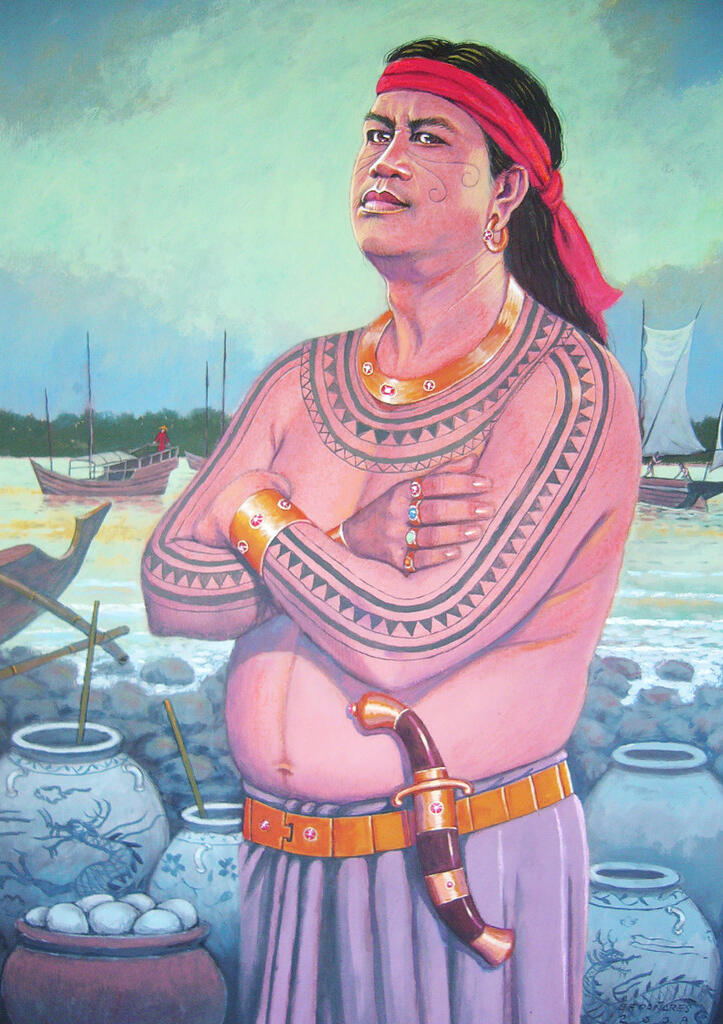
Ferdinand Magellan and the leader of the expedition that first circumnavigated the World
Ferdinand Magellan, born on 1480 in Porto, Portugal. A seasoned sailor, he fought for Portugal in India and Africa, losing a leg to a cannonball. Frustrated by royal skepticism, he proposed his dream to Spain’s King Charles I in 1519 to sail west to the Spice Islands, bypassing Portugal’s eastern monopoly.He was given five ships, Trinidad, San Antonio, Concepción, Victoria and Santiago; together with 270 men, launched from Seville on September 20, 1519. Storms battered them across the Atlantic and the Santiago wrecked in Patagonia. Wintering there sparked mutiny which Magellan crushed ruthlessly, executing leaders.In late 1520, they slipped through the strait he discovered and is now named the Strait of Magellan, losing the San Antonio to deserters along the way. The Pacific, which was ironically called “peaceful”, starved them for 99 days with the crew eating rats, sawdust and leather. Dozens died of scurvy before they stumbled upon Guam and then the Philippines.In March 1521, Magellan reached Cebu, meeting Rajah Humabon, a powerful Rajah in a vibrant trade network called Sugbu. After killing a rival Rajah, Humabon allied with the Spaniards and converted to Christianity together with thousands of his men. Humabon then convinced Magellan to help him against Mactan’s(an island across Sugbu) Lapu-Lapu, who defied Spanish tribute.On what is now considered the bloody dawn of April 27, 2026; Magellan and his men attacked Mactan’s reef against Rajah Lapu-Lapu’s 1,500 warriors which was fully prepared to face the attackers with spears and a very deadly strategy using local knowledge of the terrain. With the fall of Magellan, his mean hurried back to his ship in defeat.Back in Sugbu, Humabon hosted a feast for the remaining Spaniards, but used it as a pretense to poison them. The survivors hurriedly left with Elcano leading, and headed west. They arrived and traded spices in the Moluccas and they continued heading west and rounded Africa until they arrived back in Spain on September 6, 1522. All that is left are 18 men and one ship but proved that the world is round and the expedition became the first to circumnavigate the earth.Magellan died but his expedition shrank the world. Spain’s galleon trade boomed and the Manila-to-Acapulco route allowed for ships to carry silver, silk, sugar, hemp, spices and more, which contributed to fueling the growth and stability of the Spanish empire for centuries.Cartographers remapped the Earth, the scale of how big the Pacific is stunned everyone. It sparked dreams of new voyages, investments into further expeditions and profit from spices while expanding the empire with colonialization.Today, the Strait of Magellan is used by ships from the Atlantic head to the Pacific and Cebu’s Magellan Cross monument draws pilgrims. The impact of Magellan’s voyage is still felt 400 years later, that is his legacy to the world and history.
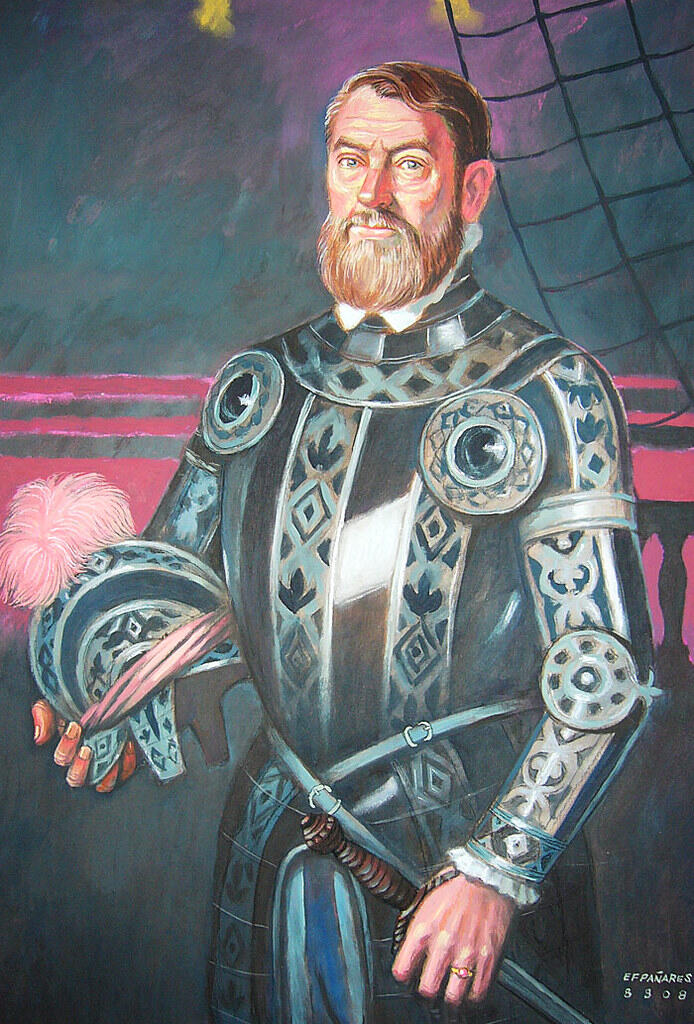
Antonio Pigafetta, the chronicler of the Discovery of Sugbu(Cebu)
Antonio Pigafetta, born on 1491 in Vicenza in the Republic of Venice, is one of the most meticulous chroniclers of the Age of Discovery. A scholar of noble lineage, he first served as a knight in the papal court before embarking on a journey that would immortalize his name in history. His decision to join the expedition of Ferdinand Magellan in 1519 reflected a deep curiosity about the world beyond Europe, an embodiment of the Renaissance spirit of exploration and inquiry.Pigafetta’s early education in languages, geography, and astronomy prepared him well for documenting such an ambitious voyage. While accompanying papal nuncio Monsignor Francesco Chieregati to Spain, he stumbled upon Magellan’s fleet bound for the Spice Islands. On August 20, 1519, five ships carrying approximately 240 men departed from Seville, with Pigafetta aboard the flagship Trinidad, recording the expedition.The journey across the Atlantic and around South America tested the endurance of all aboard. Pigafetta’s journal vividly describes encounters with indigenous peoples, as well as the devastating effects of starvation and scurvy during the Pacific crossing. Despite the ocean’s deceptive calm, Magellan named it the “Pacific”. The voyage was anything but peaceful. Pigafetta’s writings reveal not only survival struggles but also his emerging role as an early ethnographer.The expedition reached the Philippines on March 16, 1521, anchoring near Samar after ninety-eight days at sea. Pigafetta recorded the arrival with vivid detail, noting the sight of native boats and the welcoming nature of the islanders. Their alliance with local leaders, including Rajah Kolambu, marked the beginning of a significant chapter in Philippine history.Soon after, the fleet traveled to Limasawa Island, where Pigafetta described lush landscapes and thriving communities. Local chieftains engaged in trade, exchanging rice, pigs, and gold for European goods. These early interactions revealed a well-established barter economy and hinted at future colonial trade systems.On March 31, 1521, an Easter Sunday, Pigafetta witnessed what is widely regarded as the first Catholic Mass in the Philippines, held on Limasawa Island. Rajah Kolambu, his brother Siaui, and many locals attended. This event symbolized the introduction of Christianity to the archipelago and remains a cornerstone of Philippine religious history.Pigafetta’s observations provide invaluable insights into precolonial Filipino society. He described skilled seafarers navigating vast waters in balangays, intricate tattoo traditions denoting status, and the widespread practice of betel nut chewing. His accounts portray a sophisticated and vibrant culture long before colonial influence.In Cebu, Pigafetta documented the court of Rajah Humabon, noting both wealth and complex social structures, including polygamous relationships. He described the ingenious use of coconuts for food, drink, oil, and fiber. His writings serve as essential records of early Filipino culture.The expedition’s missionary efforts led to mass baptisms in Cebu, with Pigafetta estimating over eight hundred converts. While he portrayed enthusiasm among locals, these events also foreshadowed the deep and lasting impact of Spanish religious influence.Conflict soon arose when Magellan attempted to assert authority over nearby Mactan Island, ruled by Lapu-Lapu. Pigafetta’s account of the Battle of Mactan on April 27, 1521, is among the most dramatic in his journal. He described Magellan’s death amid fierce resistance, with native warriors overpowering the Spanish forces. This battle stands today as a defining moment of Filipino resistance.After the battle, Pigafetta praised the bravery and tactical skill of Lapu-Lapu and his warriors. Wounded himself, he provided firsthand descriptions of the encounter, lending credibility and intensity to his narrative.The survivors returned to Cebu, only to face further tragedy when Rajah Humabon’s forces allegedly poisoned a Spanish group, killing twenty-seven men and which Pigafetta narrowly escaped. This event forced the expedition to abandon further exploration in the area and continue westward.Despite hardships, Pigafetta continued documenting the region’s rich biodiversity, markets, and craftsmanship. He recorded the presence of exotic animals, gold-working practices, and reliance on sago palms. His notes offer rare insight into early Visayan economies.One of Pigafetta’s most significant contributions is his linguistic documentation. He compiled a glossary of over two hundred local words, providing the earliest European record of a Philippine language. This work remains invaluable to modern linguists studying Austronesian languages.As the expedition moved through Mindanao, Palawan, and nearby regions, Pigafetta described trade networks, pearl diving practices, and cultural exchanges. Even as his health declined, his commitment to recording the journey never wavered.In September 1522, Pigafetta returned to Spain aboard the Victoria, led by Juan Sebastián Elcano. Only eighteen of the original crew completed the circumnavigation. Pigafetta later presented his manuscript to Emperor Charles V, ensuring the voyage’s legacy would endure.He spent his final years in Vicenza, seeking recognition and compensation for his role in the expedition. He died around 1534, leaving behind a work that transcends simple travel writing.In Philippine historiography, Pigafetta remains a crucial figure, the first European to document the archipelago in detail. While his perspective reflects the biases of his time, his writings humanize the people he encountered and preserve a snapshot of precolonial life.Today, his journal continues to serve as a foundational source for understanding early Philippine history.
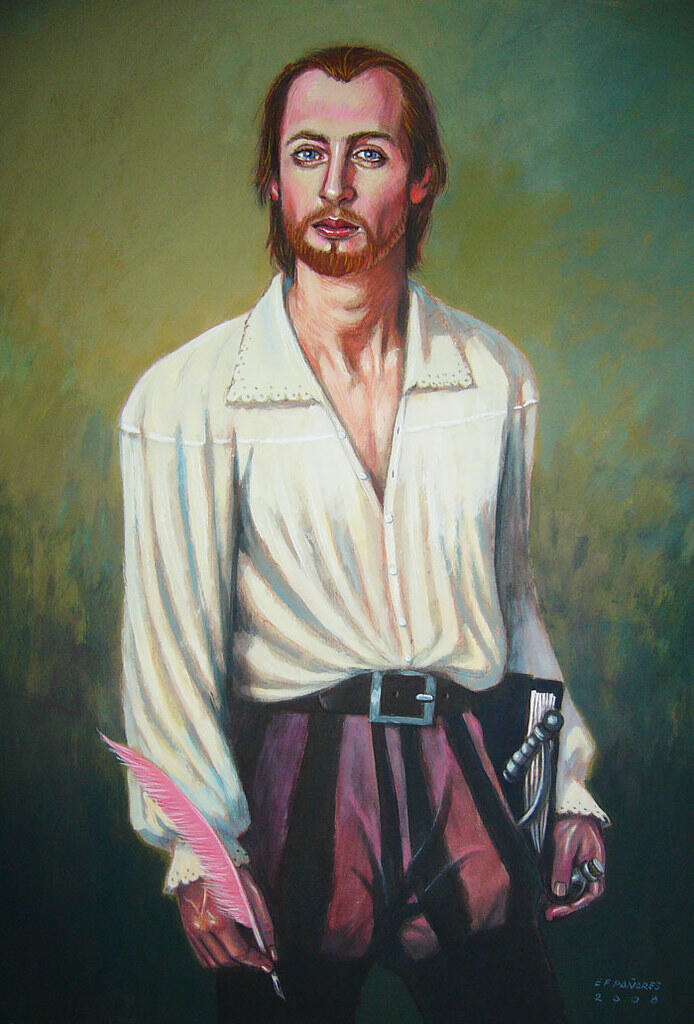
Enrique de Malacca, the man who may have been the first to circumnavigate the world
Enrique de Malacca is one of the most fascinating and mysterious figures of the age of Exploration. Known also as Enrique of Malacca, he was a Malay-speaking interpreter who traveled with Ferdinand Magellan during the famous expedition that eventually led to the first circumnavigation of the globe.Born around the year 1495 somewhere in the Malay Archipelago, probably in Malacca or Sumatra. Enrique was apparently captured during the Portuguese conquest of Malacca in 1511. He was probably still a teenager at the time when he was brought into Magellan’s service after being purchased as a slave. He later traveled to Portugal, where he was baptized and trained as an interpreter, particularly in Malay and possibly other linguistically similar Southeast Asian languages.When Magellan launched the Armada de Molucca expedition in 1519 to search for a western route to the Spice Islands, Enrique was known to have joined the voyage as both servant and translator. The fleet departed from Seville with five ships and roughly 270 men. The journey proved brutal, marked by starvation, disease, mutiny, and dangerous seas before the expedition eventually crossed the strait now known as the Strait of Magellan in 1520.Enrique’s linguistic and cultural knowledge became invaluable on the voyage as the expedition entered unfamiliar parts of the Pacific, he helped bridge communication gaps and navigate complex trade networks already known to Asian merchants long before the Europeans arrived in the area.By March 1521, the expedition reached the Philippines, particularly Sugbu(Cebu). Enrique reportedly communicated successfully with local inhabitants using Malay and related regional languages.Historians often regard this as one of the earliest recorded moments of direct communication between Europeans and Southeast Asians across the Pacific.His role in the voyage, particularly in Sugbu(Cebu), demonstrated that he was far more than a servant. Enrique became a crucial communication bridge between cultures during a turning point in global history.The expedition soon descended into conflict and on April 27, 1521, Magellan was killed during the Battle of Mactan against the forces of Rajah Lapulapu. Leadership of the expedition then passed to commanders including Duarte Barbosa and Juan Sebastián Elcano.After Magellan’s death, Enrique’s relationship with the surviving Europeans appears to have deteriorated. According to the writings of Antonio Pigafetta, Enrique became involved in a plot with Rajah Humabon against the Spaniards. During a banquet in Sugbu(Cebu), an ambush was carried out that killed more than 20 members of the expedition, including Barbosa.Whether Enrique truly orchestrated the attack or was unfairly blamed remains uncertain. What is known is that after the so-called “massacre of Cebu,” he disappeared from recorded history.His fate remains one of history’s enduring mysteries. Some historians believe he eventually returned to Malacca after securing the freedom Magellan had promised him in his will. Others speculate that he remained in the Philippines and may have lived under the name “Panglima Awang.”What makes Enrique historically remarkable is the argument that he may have been the first person to have circumnavigated the world. Having traveled westward from Southeast Asia to Europe and then across the Pacific back into a Malay-speaking region, he completed the global loop linguistically and geographically before the surviving Europeans returned to Spain in 1522.Debate also continues over Enrique’s true origins. While many records describe him as Malay or Sumatran, some scholars suggest he may have had Filipino roots because of his apparent familiarity with Cebuano-related languages and the strong trade connections between the Philippines and Malacca at the time. This interpretation has led some Filipinos to view him as a possible early Filipino explorer.Today, Enrique is remembered as a symbol of precolonial Asian mobility, maritime skill, and cultural agency. His story challenges traditional Eurocentric narratives of exploration by highlighting the critical role played by non-European figures in connecting the world during the 16th century.Across Malaysia and the Philippines, Enrique’s legacy continues to inspire historians, writers, and artists. Statues, novels, and historical reinterpretations portray him not merely as a slave of Magellan, but as a complex individual whose journey reshaped global history in ways often overlooked.Ultimately, Enrique de Malacca’s story is not just about exploration. It is about survival, identity, resistance, and the forgotten voices behind the great empires of history.
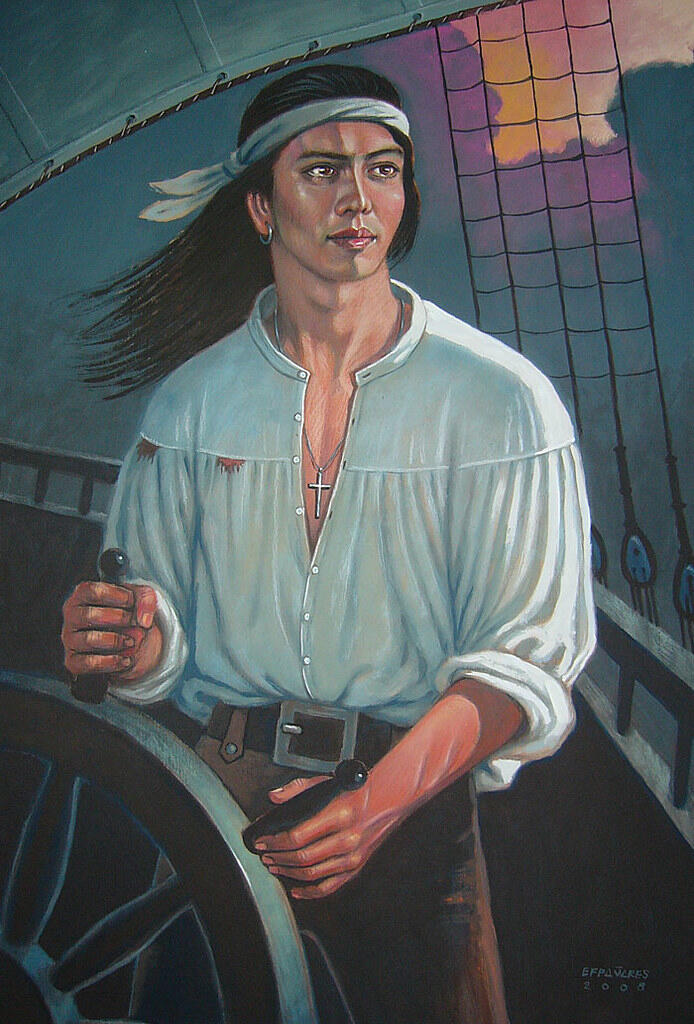
Mindanao's Enduring Guardians, The T'boli Tribe
The T'boli tribe, an indigenous Lumad group in Mindanao's South Cotabato province and numbered approximately around 120,000 as of 2020 census data. Concentrated around Lakes Sebu, Lahit, and Siloton, they call themselves "T'boli," meaning "people of the lake." Linguistically, they speak a South Mindanao language from the Austronesian family, with dialects varying by barangay. Their ancestral domain spans 208,000 hectares, recognized under the 1997 Indigenous Peoples' Rights Act (IPRA).Archaeological evidence places the T'boli ancestors in the region at around 1000 AD, most likely migrating from Borneo or Sulawesi via the ancient sea routes. Pottery and tools from Lake Sebu sites confirm a settled agrarian society by the 13th century, cultivating rice on terraces and fishing with bamboo traps. Oral histories describe their arrival guided by the creator deity D'wata, establishing villages around the lakes because of fertile soil and water.The pre-colonial T'boli society was organized into barangays led by datu’s (chieftains), with the decisions through a council and spirit mediums called balyan. Their economy revolved around swidden farming, abaca weaving into t'nalak cloth(with patterns from the dreams of the women of the tribe and dyed with natural pigments), and brassworking which are traded around the region. Their Spiritual life centered on animism, revering spirits (tahos) in the natural world and their ancestors, marked by gongs, chants, and rituals.Spanish contact began in the 1600’s, with missionaries from Tamontaka fort attempted to convert them. The T'boli tribe repelled advances using fortified hilltop settlements and long kampilan swords. By 1861, Jesuit records note their failed pacification; the tribe remained autonomous, paying tribute only sporadically. T'nalak and brass artifacts from this era show early external influences like Spanish coin-melting for jewelry.American colonization from 1899 introduced formal mapping. The 1903 census listed 15,000 T'boli; U.S. forces clashed in battles like the 1905 Datu Tamay uprising near Lake Sebu, where 200 warriors resisted with spears and rifles. By 1913, peace pacts integrated them loosely, preserving customs while introducing schools. Their population grew to around 30,000 by 1939.World War II saw T'boli neutrality amid Japanese occupation (1942-1945). They sheltered Moro and Christian refugees and it is said they used t'nalak for coded messaging. Post-war, land pressures mounted from Christian settlers. The 1950’s-60’s brought logging concessions which displaced communities.During the Martial Law (1972-1981) period under President Marcos, military operations against MILF and NPA spilled into T'boli lands. The 1974 Lake Sebu uprising protested logging and 50 deaths led to evacuations. IPRA in 1997 formalized Certificate of Ancestral Domain Title (CADT) in 2003, securing 90% of claimed territory.Today, The T'boli tribe sustained their traditions amid modernization. T'nalak production yields and estimated 50 million Pesos annually in exports and 70% of women of the tribe weave.Key cultural markers define the tribe, The T'Nalak weaving is UNESCO-recognized, together with 36 epic chants (e.g., "Temoi de Lada"), and brass casting. Festivals like the T'boli Tribal Festival in May showcases these.
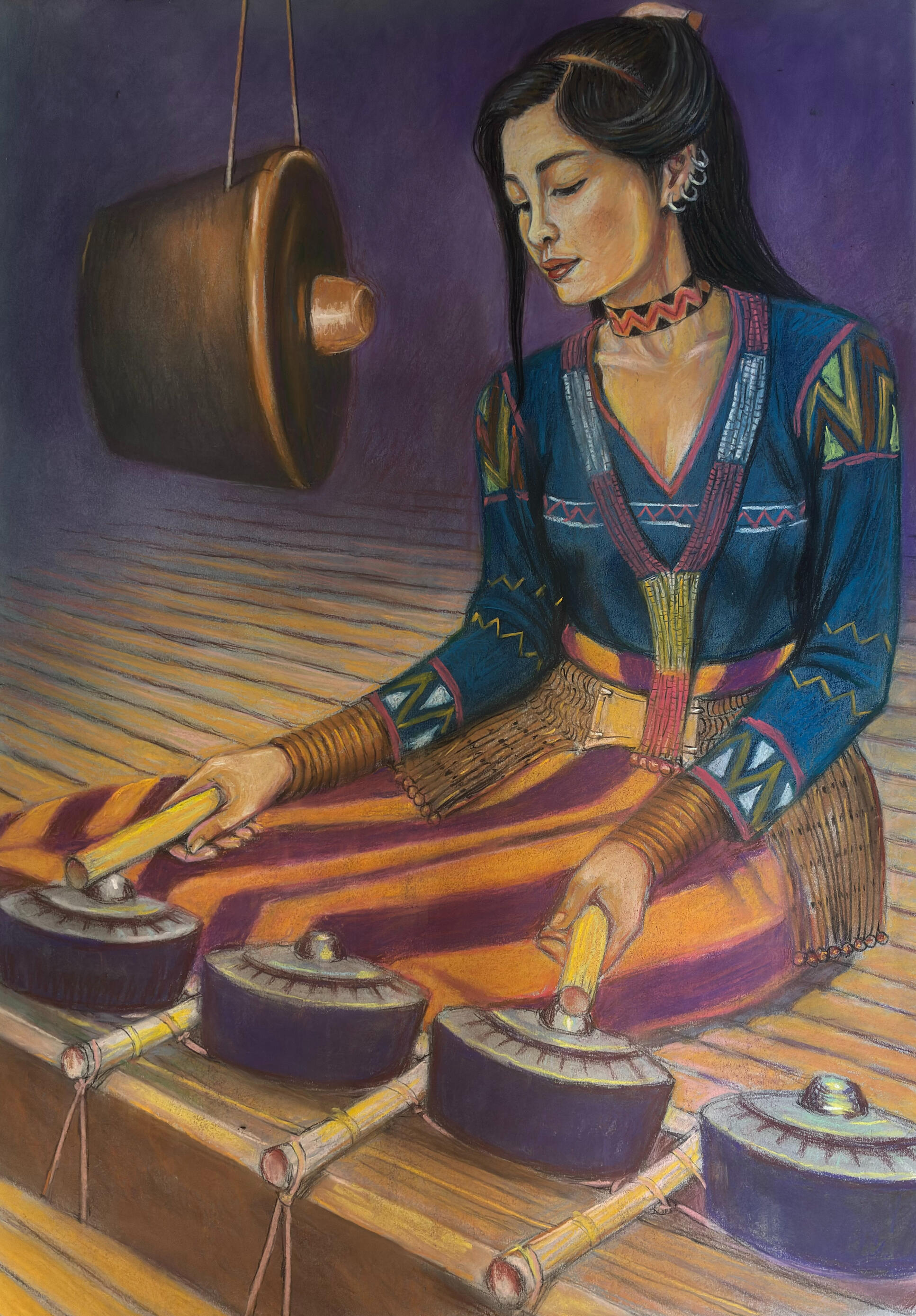
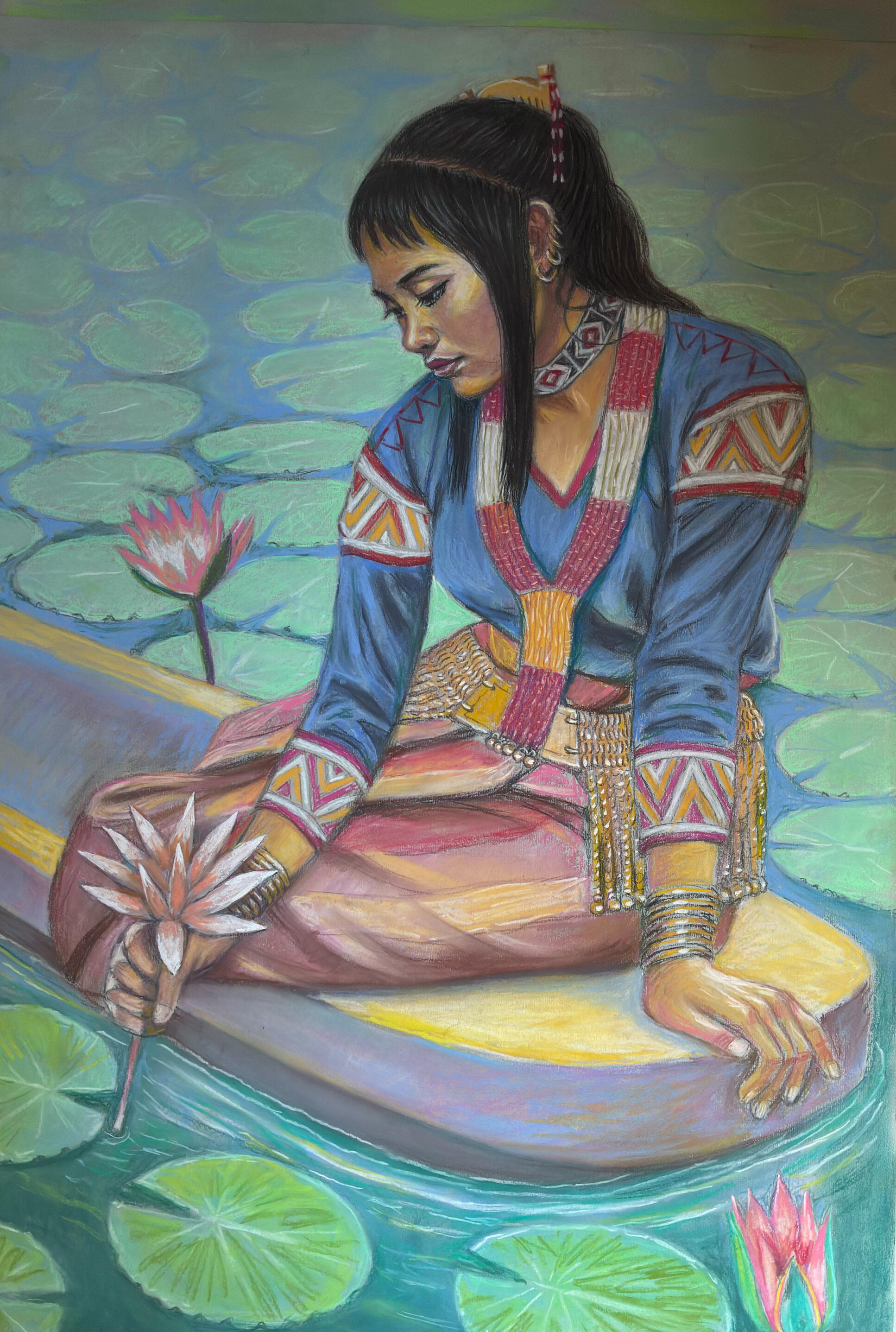
The Ubo Tribe of Mindanao
The Ubo tribe is an indigenous group from Mindanao Philippines, A part of the larger Lumad people of Mindanao. They are usually described either as a sub group of the Bagobo tribe or as a distinct sub tribe within the wider Manobo related tribes/communities. Their homeland is in the more remote highlands of southwestern Cotabato, around the area known as Datal Tabayong and stretches into parts of Davao del Sur.The Ubo tribe are closely linked to the Bagobo tribe, from whom they emerged through intermarriage and cultural blending. Some sources call them Obu Manuvu, indicating ties to the Bagobo Klata and Bagobo Tagabawa lineages. This origin story underscores their deep roots in the mountainous interiors of Mindanao, where they have lived for generations away from the major lowland centers and colonial influence.The Ubo tribe are known for their strong connection to the land and a lifestyle that depends on the rhythm of the natural environment. They practice swidden or slash‑and‑burn farming, clearing small plots in the forest to grow rice, root crops, vegetables, and other subsistence foods. In addition to cultivation, hunting and gathering remain important, as the forests around them yield a variety of plants, game, and materials for daily use.Spirituality and cosmology are central to Ubo life. Like the Bagobo, they believe in multiple deities headed by a supreme sky god or creator figure, often referred to as Diwata. They also follow an animist worldview, holding that ancestral spirits and unseen beings inhabit trees, rivers, rocks, and other parts of the landscape, which must be respected and appeased.Traditional Ubo society is strongly patriarchal, with men typically serving as heads of households and community leaders called datus, who mediate disputes and represent the group in wider relations. Social life revolves around the extended family, and some houses are built long enough to accommodate several kin groups under one roof. This emphasis on kinship helps maintain cohesion in scattered, mountain‑dwelling communities.Culture and history of the Ubo tribe is preserved through oral traditions, such as storytelling, songs, and rituals that mark important life events and agricultural cycles. Community gatherings often involve chanting, drumming, and dance, sometimes lasting several days as part of larger ceremonies. These rituals are not only religious expressions but also ways of reinforcing collective identity and teaching younger generations about their history and values.Material culture, especially metalwork, is hallmark of the Ubo tribe. They are known for crafting fine weaponry and jewelry, often using brass and other metals obtained through local trade. Some of their metal objects are believed to “have souls,” making them difficult to part with and endowing them with special spiritual and social value. This combination of technical skill and spiritual belief reflects the depth of their indigenous worldview.The Ubo economy is largely subsistence based, but trade has long played a role in their social life. Before the arrival of modern markets, they participated in local exchange networks where different tribes met to barter goods such as rice, metal tools, cloth, and forest products. These encounters helped maintain peaceful relationships with neighboring groups like the Blaan, Tboli, Teduray, and others.In the modern context, the Ubo face many of the same challenges that other Lumad communities experience, such as land encroachment, logging, mining, and limited access to education and basic services. At the same time, some members of the Ubo tribe have embraced formal schooling and new livelihoods, even as they strive to keep their language, customs, and belief systems alive. Their ongoing struggle to protect ancestral domains and cultural identity has made them part of a broader indigenous rights movement in Mindanao.The Ubo tribe of Mindanao stands as a testament to the resilience and richness of the island’s indigenous heritage. From their spiritual beliefs and slash and burn farms to their intricate metalwork and oral traditions, they continue to embody a way of life that is deeply rooted in the forests and mountains of southern Mindanao. As Mindanao changes, the Ubo tribe remain a vital reminder of the diverse peoples and cultures that helped shape the region’s history.
Online Shop
Collectible Philippine artworks from the Pañares collection. Curated pieces blending Filipino heritage, contemporary expression, and investment-worthy originals.Printed on canvas and framed are reproductions of the original artwork.Everything on this online shop ships to the United States(US), Australia(AU) and New Zealand(NZ).Online payment via Paypal and credit cards are accepted.Original artwork/painting is available for acquisition in Cebu. A viewing session will be arranged and collectors will have sufficient time in a suitable venue to appreciate the artworks.
Interesting Information about the Philippines, Cebu, Davao, Art and History
Keep Scrolling down to see all interesting information about the Philipppines, Cebu, Art and History.
Who are the famous artists from cebu philippines
Martino Abellana (1914–1988)
- Known as "Noy Tinong" and dubbed "The Dean of Cebuano Painters," he was from Carcar, Cebu, and came from an artistic family deeply rooted in sculpture and educationRamon Abellana (1911–2001)
-Martino's brother. A Cebuano sculptor and composer from Carcar, he learned sculpture from his grandfather and father. He sculpted notable works including the Carcar "Rotunda" landmark and life-sized statues of Lapu-Lapu and Sergio Osmeña Sr. at the Cebu City Capitol grounds.Manuel Rodriguez Sr. (1912–2017)
- known as "Mang Maning," he was a Filipino printmaker and one of the most recognized Cebuano artists at the national level.
Who is Manuel Panares?
Emmanuel Panares(Manuel Panares, Emmanuel F. Panares, Manuel F. Panares, Emmanuel Fernandez Panares, Manuel Fernandez Panares) is a renowned Cebuano artist born on December 9, 1946, in Cebu, Philippines, who discovered his passion for painting at the tender age of three and has since dedicated over 65 years to figurative art. Known as an "artist-witness," he meticulously captures the cultural and historical essence of Cebu City—historically called Sugbo—and the vibrant lives of indigenous tribal women from Mindanao through his evocative works. His deep commitment to ethnology and history ensures that each piece reflects accurate representations drawn from extensive travels and research.Panares received mentorship from National Artist Victorio C. Edades, collaborating on iconic murals such as "Kasaysayan ng Lahi" and the longest mural in Philippine art history at the Central Bank in Davao. Influenced by Paul Gauguin's depictions of indigenous peoples, he primarily employs pastel and acrylic mediums to blend color, craft, and style in his compositions. His art bridges the past and present, preserving the evolving profiles of Cebuano heritage and southern Philippine tribal vignettes with striking authenticity.Since the late 1960s, Panares has held solo exhibitions across Cebu, Manila, Davao, Baguio, and the United States, earning accolades for his role in safeguarding Philippine art and culture. Notable series like "Sugbu sa Karaang Panahon" showcase his prowess in historical storytelling, making him a pivotal figure in Filipino visual arts. His enduring legacy continues to inspire through collections and press features that highlight his profound contributions.
Who is known as the father of Philippine Art?
There are a few who are recognized as the father of Philippine Art.The first one that most call the “father of Philippine art” is Damián Domingo y Gabor (1796–1834). He is recognized as the first major Filipino painter to specialize in secular, non‑religious art and is credited with formally professionalizing Filipino painting in the early 19th century.The second is Fernando Amorsolo (1892–1972).
Amorsolo was a portrait and landscape painter whose work captured the beauty of rural Philippine life, the iconic mestiza figures, and the warm, luminous quality of tropical sunlight, a technique he pioneered that became his trademark. He was renowned for his idealized depictions of Filipino peasants, rice fields, and native landscapes bathed in backlighting.The third is Guillermo Estrella Tolentino (1890–1976). He was a master sculptor and National Artist for Sculpture (1973), renowned for his classicism style, who created iconic masterpieces such as the Bonifacio Monument in Caloocan and The Oblation at the University of the Philippines
Who introduced printmaking in the Philippines?
Printing came with the spread of Christianity and Spanish colonisation during the 16th century. Although the beginnings of the first printing press in Philippines are obscure, most scholars agree that the Dominicans, a Roman Catholic order, were the first to start printing in the Philippines.In modern times, Often called the "Father of Philippine Printmaking" is Manuel Rodriguez Sr. He dedicated his life to elevating printmaking from a commercial craft to a recognized fine art.
- Founded the Philippine Association of Printmakers
- Taught and mentored generations of Filipino printmakers
- Promoted various printmaking techniques including etching, lithography, and woodcut
- Worked tirelessly to gain recognition for printmaking in local and international art circles
Who is the famous mural artist in the Philippines?
Carlos "Botong" Francisco: National Artist for Visual Arts (1912 - 1969) Filipino muralist from Rizal. Botong was a most distinguished practitioner of mural painting for many decades and best known for his historical pieces.He is often called the “greatest Filipino muralist” and He was proclaimed a National Artist for Visual Arts in 1973.
Who is the father of Filipino painting?
The person widely known as the “father of Filipino painting” is Damián Domingo y Gabor (1796–1834). He is regarded as the first great Filipino painter and the first to specialize in secular, non‑religious painting in the Philippines.He founded the Academia de Dibujo y Pintura (Academy of Drawing and Painting) in Binondo, Manila in 1821, the first fine arts school in the Philippines and in Asia and opened art education to both the principalia (elite) and common Filipinos.He was known for his tipos del país paintings which depict everyday Filipino people, costumes, and scenes of local life.He helped establish a distinctly Filipino artistic identity separate from purely colonial and religious influences and His secular approach to painting laid the groundwork for future generations of Filipino artists.He was born in Tondo, Manila in 1796 during the Spanish colonial period. He was of Filipino descent and grew up in an era when opportunities for native Filipinos in the arts were extremely limited, making his rise as a celebrated painter all the more remarkable.Despite the social barriers imposed by the colonial system, Domingo displayed an extraordinary talent for drawing and painting from an early age, which eventually earned him recognition even among the Spanish colonial elite.Domingo lived a relatively short but impactful life, passing away in 1834 at the age of around 38. He never achieved great personal wealth, as he dedicated much of his life to his craft and to teaching art through his academy. He was known to be deeply passionate about elevating the status of Filipino artists and making art accessible beyond the walls of the church.
Who was the first Filipino artist?
Based on historical records, Damián Domingo y Gabor is generally regarded as the first great Filipino painter and the earliest formally recognized Filipino artist.However, if we look deeper into history, the concept of "first Filipino artist" depends on how we define art.The first artists in the Philippine archipelago were actually the ancient indigenous Filipinos themselves, long before Spanish colonization.- The Angono Petroglyphs (circa 3,000 BC) are the oldest known artwork found in the Philippines, consisting of rock engravings in Angono, Rizal. The artists remain unknown but are considered the earliest known artists on Philippine soil.- Indigenous crafts and traditions such as weaving, pottery, wood carving, and body tattooing were practiced by early Filipino tribes, representing rich artistic traditions predating colonization.In Modern times, Fernando Amorsolo (1892–1972) is recognized as the first-ever Filipino National Artist, honored for painting in 1972. Known as the "Grand Old Man of Philippine Art," he is celebrated for his luminous rural landscapes, portraits, and mastery of backlighting (chiaroscuro).
Who is the father of Filipino printing?
Tomás Pinpin is recognized as the "Father of Filipino Printing" (or "Prince of Filipino Printers"). From Abucay, Bataan, he was the first Filipino printer and publisher, known for publishing the book Librong Pagaaralan nang mga Tagalog nang Uicang Castilla in 1610.He was a Filipino printer, writer, and publisher during the Spanish colonial period, widely recognized as the first and most prominent native Filipino to master the art of printing. He is sometimes also called the "Prince of Filipino Printers."Key Contributions:- He worked under the Dominican friars and learned the craft of printing at the Binondo Press.
- He was the first Filipino to write and publish a book in Spanish, Librong Pagaaralan nang mga Tagalog nang Wikang Castilla (1610), a guide to help Filipinos learn the Spanish language.
- He co-produced the first Philippine newspaper, Successos Felices (1637), considered the first periodical publication in the Philippines.
- He printed numerous religious and educational materials that were used throughout the colonial Philippines.
- He wrote in both Tagalog and Spanish, bridging the gap between native Filipinos and their colonizers.
Who is the national painter of the Philippines?
The National Painter of the Philippines is Fernando Amorsolo (1892–1972).Fernando Amorsolo y Cueto.
He holds the distinguished honor of being proclaimed the first National Artist of the Philippines for Painting in 1972, by President Ferdinand Marcos, under Presidential Decree No. 1066. This makes him not only the national painter but also the first person ever to receive the National Artist Award in Philippine history.Life and Background:- Born on May 30, 1892 in Paco, Manila.
- Studied at the Escuela de Bellas Artes (School of Fine Arts) at the University of the Philippines.
- Received a scholarship to study at the Academia de Bellas Artes in Madrid, Spain.
- Was a student and relative of fellow painter Fabián de la Rosa
Passed away on April 24, 1972 in Manila.Artistic Style & Techniques:- He pioneered a unique backlighting technique that captured the warm, golden glow of tropical Philippine sunlight.
- His style combined academic realism with a romantic and idealized vision of Filipino life.
- He painted with remarkable speed and prolificacy, producing an estimated 10,000 to 15,000 works in his lifetime.
Who is the father of the modern Philippine painting?
Victorio Edades is regarded as “the father of Modern Philippine art". Schooled in the US upon his return he introduced an entirely new way of thinking about art introducing modernism to Philippine art in the early 20th century, boldly breaking away from the traditional and academic style that dominated Filipino painting at the time.Victorio Candido Edades (December 23, 1895 – March 7, 1985) a Filipino painter. He led the revolutionary Thirteen Moderns, who engaged their classical compatriots in heated debate over the nature and function of art. He was named a National Artist in 1976. He argued that art can be more than representation of reality, it can be representation of reality as seen through the mind and emotions of the artist.Born on December 23, 1895, to Hilario and Cecilia Edades. He was the youngest of ten children. He grew up in Barrio Bolosan in Dagupan, Pangasinan. By seventh grade, his teachers were so impressed with him that he was dubbed "apprentice teacher" in his art class. He was also an achiever from the very beginning, having won awards in school debates and writing competitions.Life and Background:- Studied at the University of Washington in Seattle, USA, where he was exposed to modern Western art movements
Was deeply influenced by Cubism, Expressionism, and other modernist styles.
- Proclaimed a National Artist for Painting in 1976.
- Passed away on March 7, 1985.Artistic Style & Contributions:- He introduced modernist painting to the Philippines upon returning from the United States in the 1920's.
- His style was characterized by bold colors, distorted forms, geometric shapes, and emotional intensity.
- He rejected the idealized and romanticized depictions of Filipino life popularized by Amorsolo.
- He believed art should reflect social realities and human struggles.
- He co-founded the Thirteen Moderns — a group of avant-garde Filipino artists who championed modernism in Philippine art.The Thirteen Moderns: Edades formed this influential group together with fellow modernist painters including:- Carlos "Botong" Francisco
- Galo Ocampo
- Vicente Manansala
- Cesar Legaspi
- And other pioneering modernist Filipino artistsLegacy:- He revolutionized Philippine art by opening it up to global modernist influences.
- He challenge the established artistic conventions of his time paved the way for generations of modern and contemporary Filipino artists.
- He proved that Philippine art could be dynamic, evolving, and globally relevant.
- His influence is felt across all subsequent movements in Philippine visual arts.Victorio Edades boldly transformed the Philippine art scene and his legacy as the father of modern Philippine painting remains firmly cemented in the nation's cultural history.
Who are the tribal art artists?
Two widely known global artists associated with tribal or indigenous art are El Anatsui and Wangechi Mutu. El Anatsui is a Ghanaian sculptor known for large-scale works made from bottle caps, and Wangechi Mutu is a Kenyan artist known for powerful mixed-media works rooted in African identity and mythology.In the Philippines, Carlito Camahalan Amalla of the Agusanon Manobo and Salima Waway of the Talaandig. Amalla’s work focuses on Philippine indigenous communities and ritual symbolism, while Waway is known for soil painting rooted in Talaandig culture.Manuel Pañares is also known for painting indigenous tribes and tribal themes in the Philippines, especially the peoples of Mindanao, specifically the T'boli tribe. Some of his work are associated with the “vanishing tribes of the southern Philippines,” and his preferred subjects include the indigenous tribes of Mindanao.
Who are the top Art Galleries in the Philippines?
León Gallery, Located in Makati, it is known as the country's leading auction house and gallery for museum-quality works by Filipino Old Masters and National Artists.
Galleria Duemila, Known as one of the longest-running commercial art galleries in the country, showcasing modern and experimental contemporary Filipino art.
Who are the historical Filipino artists?
Some well known historical artists in the Philippines are Juan Luna, Fernando Amorsolo, and Damián Domingo. All of them significantly shaped Philippine art and cultural identity. Their masterpieces are preserved and displayed in Philippine National Museums.Manuel Panares is also known to have conceptualized and created the "Sugbu sa Karaan Panahon" series of paintings, which is a series that depicts the scenes and time Sugbu/Cebu from before Magellan arrived till after he left.
Who is the famous artist in Cebu?
Martino "Noy Tinong" Abellana would probably be top of the list and would be considered the most famous. He was known as the "Dean of Cebuano Painters".From Carcar City, his portraits and seascapes shaped generations of local Cebuano artists.
How many tribes are in Mindanao?
Mindanao is known to be the home to over 30 indigenous ethnolinguistic groups. These communities are broadly classified into two main groups, the 18 Lumad (non-Muslim indigenous) tribes and the 13 Moro (Muslim) tribes.
Who is the most famous Filipino painter?
Fernando Amorsolo is widely known or considered to be the most famous or well known painter in the Philippines. He is renowned as the "Grand Old Man of Philippine Art" and the first ever National Artist (1972).He is celebrated for his rural Philippines landscapes and "backlighting technique" that capture the Philippine sunlight.
Who is the master pastel artist?
If you look at the National Museum of the Philippines' National Fine Arts Collection, early Filipino masters who excelled in traditional figurative pastel drawings during the late 1800s and 1900s include: Jorge Pineda, Celedonia Domingo Ongpin and David Medalla.
Contact Us
Address : Cebu City, Philippines
Mobile No. : +63 956-580-1688
Email : [email protected]
There limited artworks that are still with the artist and only a handful has been conceptualized in the past few years.From the existing artworks in the collection of the artist, multiple notable artworks have been identified as historically important and as such, will not be available for acquisition.There are limited artworks that are available for acquisition and as of the moment, acquiring an artwork will be a face to face event.Click the Contact Us button, Share your details and we will arrange private viewing of the artworks you are keen to appreciate.